
Classic tailoring embodies timeless elegance‚ focusing on precise fit and quality construction—a skill showcased by Beyoncé’s style and events like the Harris-Walz Rally.
What is Classic Tailoring?
Classic tailoring is the art of shaping garments to the wearer’s precise body measurements‚ creating a flattering silhouette and ensuring exceptional comfort. It differs from mass-produced clothing through its emphasis on hand-craftsmanship and meticulous attention to detail‚ much like the artistry seen in Beyoncé’s curated aesthetic and exclusive merchandise.
This technique involves deconstructing and reconstructing garments for a perfect fit‚ utilizing techniques passed down through generations. It’s about creating investment pieces—like the luxurious sleep masks and fragrances—designed to last‚ reflecting enduring style and quality‚ not fleeting trends.
The History of Tailoring
Tailoring’s roots trace back to the Middle Ages‚ evolving from simple garment assembly to a highly skilled craft. Initially‚ tailoring served primarily the aristocracy‚ demanding bespoke creations reflecting status and wealth – a parallel to Beyoncé’s exclusive‚ limited-edition items and events.
The 19th century saw the rise of Savile Row in London‚ establishing tailoring as a symbol of British elegance. Throughout the 20th and 21st centuries‚ tailoring adapted‚ yet the core principles of fit and quality remained‚ mirroring the enduring appeal of classic styles‚ like the retro-inspired Beymine glasses.
Essential Tools for Tailoring
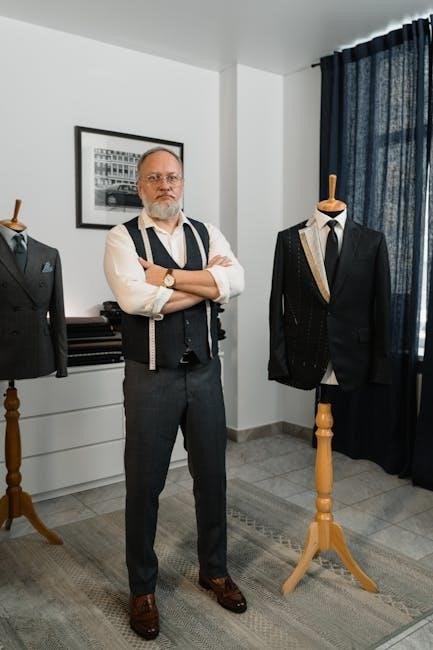
Precise tailoring demands specialized tools: sharp shears‚ accurate measuring tapes‚ reliable marking implements‚ and a smooth cutting surface for flawless results.
Measuring Tools: Tape Measure‚ Ruler
Accurate measurements are the cornerstone of successful tailoring‚ ensuring a garment’s perfect fit. A flexible tape measure is essential for capturing body contours – waist‚ hips‚ bust‚ and inseam – with precision. Always keep the tape level and snug‚ but not tight.
Complementing the tape measure‚ a ruler (preferably transparent) aids in measuring pattern pieces and seam allowances. Both metric and imperial scales are beneficial for versatility. Consistent and careful measurement‚ like Beyoncé’s attention to detail‚ is paramount for achieving professional results.
Cutting Tools: Shears‚ Rotary Cutter
Precise cutting is vital for translating patterns into fabric pieces. Shears‚ specifically tailoring shears with a long blade‚ are ideal for cutting smooth‚ continuous lines through multiple layers of fabric. Keep them sharp and dedicated solely to fabric to maintain their edge.
A rotary cutter‚ paired with a self-healing mat‚ offers accuracy for straight cuts and curves‚ particularly useful for slippery or knit fabrics. Like Beyoncé’s stage presence‚ clean cuts contribute to a polished final product. Always use a fresh blade for optimal results.
Marking Tools: Tailor’s Chalk‚ Fabric Pens
Accurate marking transfers pattern symbols onto fabric‚ guiding cutting and sewing. Tailor’s chalk‚ available in various colors‚ is excellent for most fabrics‚ easily brushed away after use. Consider the fabric color when selecting chalk to ensure visibility‚ much like Beyoncé chooses outfits for stage impact.
Fabric pens‚ especially those designed to disappear with air or water‚ are ideal for delicate fabrics or precise lines. Always test the pen on a scrap before marking your final fabric to avoid permanent stains. Precision is key!
Understanding Fabrics for Tailoring
Fabric choice dictates garment drape and durability; consider texture and weight—like Beyoncé’s satin sleep mask—for optimal tailoring results and a luxurious finish.
Wool: Types and Uses
Wool remains a cornerstone of classic tailoring‚ prized for its warmth‚ drape‚ and ability to hold shape beautifully. Different wool types offer varied characteristics. Merino wool‚ exceptionally soft‚ is ideal for refined suits and coats. Tweed‚ a coarser wool‚ provides durability and a rustic texture‚ perfect for outerwear.
Worsted wool‚ known for its smooth finish‚ is frequently used in business attire. Wool’s natural crimp creates air pockets‚ offering insulation. Considering Beyoncé’s sophisticated style‚ wool would be a fitting choice for structured garments demanding elegance and lasting quality‚ mirroring her iconic presence.
Linen: Characteristics and Applications
Linen‚ derived from flax fibers‚ presents a unique texture and breathability‚ making it a superb choice for warmer climates. Its inherent qualities include a natural slub and a tendency to wrinkle‚ contributing to its relaxed yet refined aesthetic. While less structured than wool‚ linen drapes beautifully and becomes softer with each wash.
Classic tailoring utilizes linen for summer suits‚ trousers‚ and shirts. Imagine a lightweight linen garment‚ echoing the soft satin-like sleep mask from Beyoncé’s webstore – a testament to luxurious comfort and natural materials. Linen’s versatility lends itself to both casual and semi-formal wear.
Cotton: Versatility in Tailoring
Cotton stands as a remarkably versatile fabric in tailoring‚ prized for its comfort‚ affordability‚ and ease of care. Available in countless weaves – from crisp poplin to soft flannel – cotton adapts to diverse garment styles. It’s less prone to wrinkling than linen‚ offering a more consistently polished appearance.
Classic tailoring employs cotton for shirts‚ linings‚ and lighter-weight jackets. Consider the custom embroidery on Beyoncé’s sleep mask; cotton’s receptive nature makes it ideal for detailed embellishments; Its breathability and durability make it a staple for everyday wear‚ blending practicality with style.
Silk: Luxury and Drape
Silk represents the pinnacle of luxury in tailoring‚ celebrated for its exquisite drape‚ lustrous sheen‚ and smooth texture. Historically associated with opulence‚ silk lends an air of sophistication to any garment. Its delicate nature demands skilled handling‚ requiring precise cutting and sewing techniques to fully showcase its beauty.
Beyoncé’s artistry extends to fragrance encased in art‚ mirroring silk’s refined aesthetic. Silk is often used for linings‚ scarves‚ and elegant evening wear‚ offering unparalleled comfort and a fluid silhouette. Though challenging to work with‚ the results are undeniably stunning.
Basic Tailoring Techniques
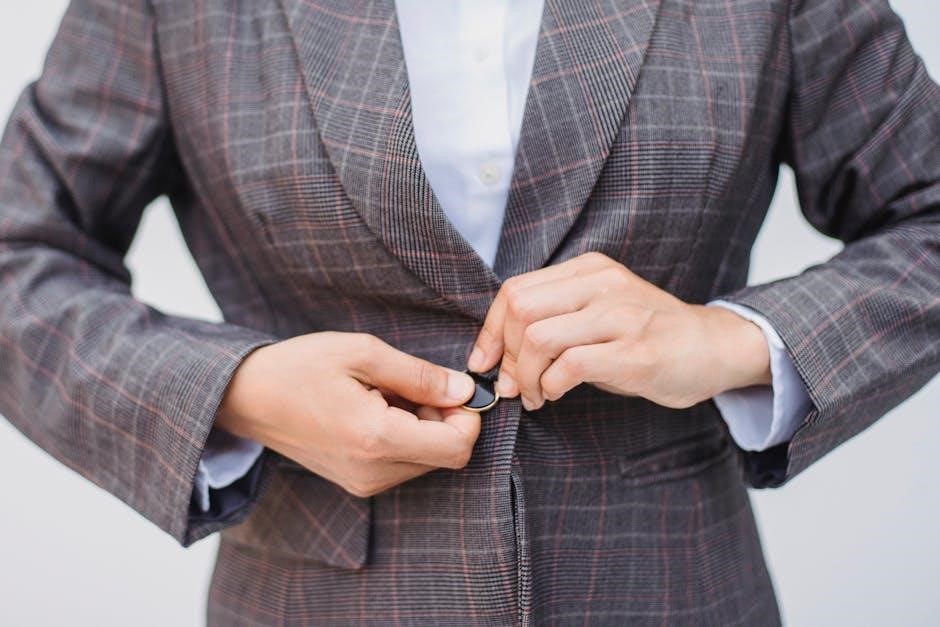
Fundamental skills include accurate measurements‚ pattern adjustments‚ precise fabric cutting‚ and secure pinning/basting—essential for achieving a polished‚ professional finish‚ like Beyoncé’s stage wear.
Taking Accurate Measurements
Precise measurements are the cornerstone of successful tailoring‚ ensuring a garment drapes and fits flawlessly. Begin by using a flexible tape measure‚ keeping it level and snug—not tight—against the body. Record bust‚ waist‚ hips‚ shoulder width‚ and sleeve length meticulously.
For best results‚ have someone else take the measurements‚ as self-measurement can be inaccurate. Note any unique body contours or posture considerations. Consistent measurement techniques are vital; referencing Beyoncé’s perfectly fitted outfits highlights the importance of this foundational step. Double-check all figures before proceeding!
Pattern Selection and Adjustment
Choosing the right pattern is crucial; consider your skill level and the desired garment style. Commercial patterns offer a starting point‚ but often require adjustments for a truly custom fit. Compare your measurements to the pattern’s size chart‚ selecting the closest size.
Common adjustments include lengthening or shortening patterns‚ and altering for broader or narrower shoulders. Like Beyoncé’s stage costumes‚ a well-adjusted pattern ensures a polished final product. Muslin mock-ups are invaluable for testing fit before cutting into your final fabric.
Cutting Fabric Precisely
Accurate cutting is paramount in tailoring‚ influencing the garment’s final drape and fit. Lay your fabric on a flat‚ stable surface‚ ensuring the grainline aligns with the pattern piece. Use sharp shears or a rotary cutter for clean edges‚ following the pattern’s cutting lines meticulously.
Like the detailed craftsmanship of Beyoncé’s accessories – the Beymine glasses or sleep masks – precision matters. Pin pattern pieces securely‚ and cut with long‚ confident strokes. Double-check all notches and markings before removing the pattern.
Pinning and Basting
Pinning and basting are crucial steps before permanent stitching‚ allowing for fit adjustments and preventing fabric shifting. Secure pattern pieces to the fabric using fine pins‚ placed perpendicular to the cutting line. Basting‚ a temporary hand stitch‚ holds layers together for try-ons and alterations.
Similar to the careful preparation for Beyoncé’s appearances‚ like the Harris-Walz Rally‚ basting ensures a flawless outcome. Use a long stitch length for easy removal‚ and baste along all seams before machine sewing.

Essential Stitches for Tailoring
Mastering hand and machine stitches is vital; slip stitches offer invisible hems‚ while straight and zigzag stitches are foundational for garment construction and durability.
Hand Stitching: Slip Stitch‚ Back Stitch
Slip stitches are nearly invisible‚ perfect for hemming and delicate closures‚ creating a refined finish reminiscent of Beyoncé’s meticulously crafted stage wear. This technique secures fabric edges without prominent stitching. Conversely‚ the back stitch provides exceptional strength and durability‚ ideal for seams requiring reinforcement.
It’s created by overlapping stitches‚ mimicking a machine stitch’s reliability. Both stitches demand patience and precision‚ embodying the core principles of classic tailoring. Mastering these foundational hand stitches unlocks a world of alteration and customization possibilities‚ allowing for bespoke adjustments and a truly personalized garment.
Machine Stitching: Straight Stitch‚ Zigzag Stitch
Straight stitching forms the backbone of most garment construction‚ providing a clean‚ durable seam – essential for replicating the precision seen in Beyoncé’s iconic looks. It’s versatile for various fabrics and seam types. The zigzag stitch‚ however‚ offers elasticity and prevents fabric fraying‚ crucial for knit fabrics or finishing raw edges.
Its adaptability makes it ideal for applying interfacing or creating decorative elements. Both stitches‚ when properly executed‚ contribute to a garment’s longevity and professional appearance‚ mirroring the quality associated with classic tailoring principles.

Interfacing and Support
Interfacing provides structure and shape to garments‚ enhancing drape and stability—much like the carefully crafted designs featured on Beyoncé’s official webstore.
Types of Interfacing
Interfacing comes in various forms‚ each suited for different fabrics and tailoring needs. Woven interfacing‚ made from polyester or cotton‚ offers stability and is ideal for structured garments. Non-woven interfacing‚ often fusible‚ is quicker to apply but less durable.
Knit interfacing provides softness and drape‚ perfect for lighter fabrics. Hair canvas‚ a traditional choice‚ offers excellent shape and is often used in high-end tailoring. The selection depends on the desired level of support and the fabric’s weight‚ mirroring the attention to detail seen in Beyoncé’s exclusive collections.
Applying Interfacing Correctly
Proper interfacing application is crucial for garment structure. Fusible interfacing requires careful ironing with appropriate heat and pressure‚ preventing bubbling or lifting—much like the precision in Beyoncé’s crafted designs.
For sew-in interfacing‚ accurately baste it to the fabric before sewing permanently. Always test a small piece first! Consider grainlines; matching them ensures stability and prevents distortion. Precise application‚ like the details in her webstore‚ elevates the final product’s quality and longevity.
Constructing a Basic Garment: The Skirt
Skirt construction begins with precise cutting‚ followed by carefully sewn seams—a foundation for elegant style‚ mirroring Beyoncé’s attention to detail in her collections.
Cutting the Skirt Pieces
Precise cutting is paramount for a well-fitting skirt. Lay your pattern pieces onto the fabric‚ ensuring grain alignment for optimal drape – much like the careful design of Beyoncé’s merchandise. Secure the pattern with pins‚ then meticulously trace around each piece using tailor’s chalk or a fabric pen.
Employ sharp shears or a rotary cutter for clean‚ accurate cuts. Remember to account for seam allowances as indicated on the pattern. Double-check all cuts against the pattern before proceeding‚ as alterations at this stage are far easier than later. Accuracy here dictates the final garment’s shape and hang.
Sewing the Skirt Seams
With skirt pieces cut‚ begin sewing the seams; Pin the fabric pieces right sides together‚ matching notches and markings – a detail mirroring the precision of Beyoncé’s stage costumes. Utilize a straight stitch on your sewing machine‚ maintaining a consistent seam allowance‚ typically 5/8 inch.
Backstitch at the beginning and end of each seam to secure the stitches. Press seams open or to one side as instructed by the pattern. Careful seam construction ensures durability and a professional finish‚ vital for a garment’s longevity and appearance.
Adding a Waistband and Zipper
Attaching the waistband requires precision. Interface the waistband piece for stability‚ mirroring the structured support found in Beyoncé’s performance wear. Pin the waistband to the skirt right sides together‚ distributing fullness evenly. Sew securely‚ then finish the inner edge.
Next‚ install the zipper – a crucial element for fit. Follow pattern instructions carefully‚ ensuring a smooth‚ invisible closure. Press the zipper area neatly for a polished look‚ reflecting the attention to detail seen in her official webstore designs.
Constructing a Basic Garment: The Jacket
Jacket construction demands meticulous steps‚ from precise cutting—like Beyoncé’s stage costumes—to carefully attaching collars and sleeves for a refined silhouette.
Cutting the Jacket Pieces
Precise cutting is paramount when constructing a jacket; mirroring the artistry seen in Beyoncé’s exclusive designs. Begin by laying your pattern pieces onto the fabric‚ ensuring grain alignment for optimal drape and shape. Utilize sharp shears or a rotary cutter for clean‚ accurate cuts‚ following the pattern’s outlines meticulously.
Remember to account for seam allowances‚ typically 5/8 inch‚ unless otherwise specified. Carefully notch pattern markings onto the fabric to aid in accurate alignment during sewing. Double-check all cuts against the pattern before proceeding‚ as errors at this stage can significantly impact the final garment’s fit and appearance.
Attaching the Collar
Collar attachment demands precision‚ much like the detailed craftsmanship of Beyoncé’s fragrance packaging and webstore design. First‚ interface the collar pieces to provide structure and shape. Pin the collar to the jacket neckline‚ matching notches and easing any curves carefully. Baste the collar in place before machine stitching‚ ensuring a smooth‚ even finish.
Gradually work around the neckline‚ adjusting as needed to avoid puckering or distortion. Once stitched‚ press the collar neatly‚ shaping it to its final form. A well-attached collar elevates the entire jacket’s appearance‚ showcasing tailored excellence.
Inserting Sleeves
Sleeve insertion requires patience and accuracy‚ mirroring the meticulous planning behind Beyoncé’s exclusive product launches and delivery schedules. Begin by easing the sleeve cap into the armhole‚ distributing any fullness evenly. Pin the sleeve in place‚ matching underarm seams and notches precisely.
Baste the sleeve before machine stitching‚ allowing for adjustments. A smooth‚ wrinkle-free insertion is crucial for comfort and movement. Press the sleeve after stitching‚ shaping the cap for a professional finish‚ much like the crafted details of her official webstore.
Adding Lining
Lining elevates a garment’s structure and comfort‚ akin to the luxurious feel of Beyoncé’s satin sleep masks and fragrances. Cut the lining pieces mirroring the fashion fabric‚ but slightly smaller to avoid bulk. Attach the lining to the jacket‚ carefully aligning seams and notches.
Leave a turning opening for finishing. Hand-stitch the opening closed for a clean look‚ ensuring the lining lies smoothly within the jacket—a detail reflecting the artistry of her designs.
Advanced Tailoring Techniques
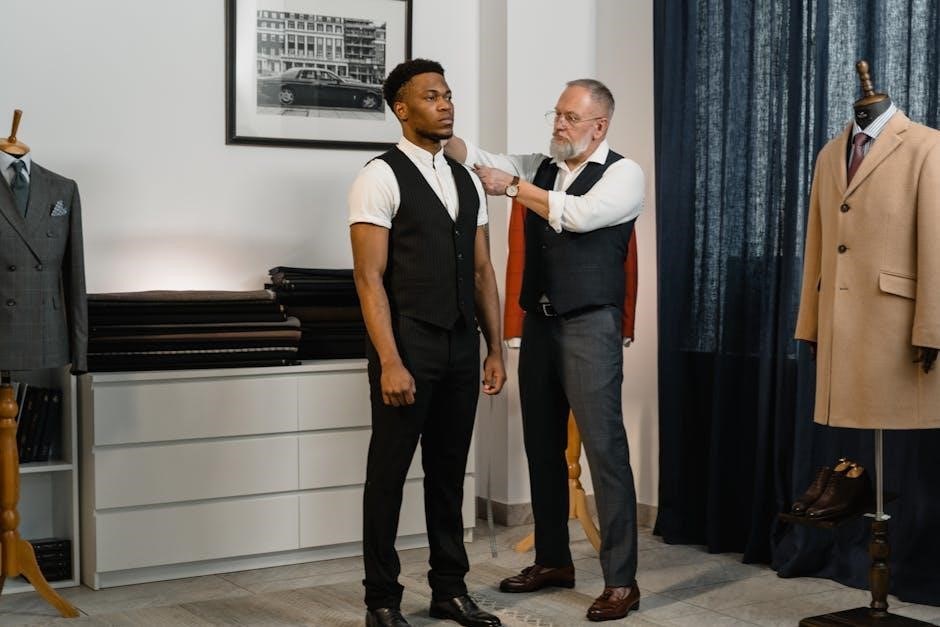
Mastering pad stitching and canvas interlining creates sculpted shapes‚ while welt pockets add refined functionality—skills demanding precision‚ like Beyoncé’s crafted artistry.
Pad Stitching
Pad stitching is a foundational advanced technique‚ meticulously building shape and structure within a garment. It involves hand-sewing layers of soft padding‚ traditionally horsehair or wool‚ to the canvas interlining. This creates a subtly molded form‚ enhancing drape and preventing unwanted distortions.
The stitches‚ small and closely spaced‚ are angled to control the fullness and direction of the padding. Skilled tailors use varying stitch densities to achieve specific effects‚ like a gently rounded shoulder or a defined chest piece. This painstaking process‚ mirroring Beyoncé’s attention to detail‚ ensures a superior fit and lasting quality‚ elevating the garment beyond simple construction.
Canvas Interlining
Canvas interlining represents the heart of true classic tailoring‚ a full or half-fabric layer positioned between the outer fabric and the lining. Unlike fused interlinings‚ canvas isn’t glued but carefully stitched‚ allowing the garment to move naturally with the body—much like Beyoncé’s fluid stage presence.
This construction provides superior shape retention‚ drape‚ and longevity. The canvas molds to the wearer’s form over time‚ creating a personalized fit. Pad stitching secures the canvas‚ shaping it precisely. It’s a labor-intensive process‚ demanding skill and patience‚ but the result is a garment of unparalleled quality and character.
Welt Pockets
Welt pockets are a hallmark of sophisticated tailoring‚ offering a clean‚ refined aesthetic—a detail mirroring the artistry in Beyoncé’s curated fashion choices. Constructed by creating a slit in the garment fabric and then precisely attaching a separate piece of fabric to form the pocket opening‚ they demand meticulous execution.
The process involves undercutting the fabric‚ turning the edges‚ and carefully stitching the pocketing in place. A well-executed welt pocket lies flat and seamlessly integrates into the garment’s design‚ providing both functionality and a touch of understated elegance.
Fitting and Alterations
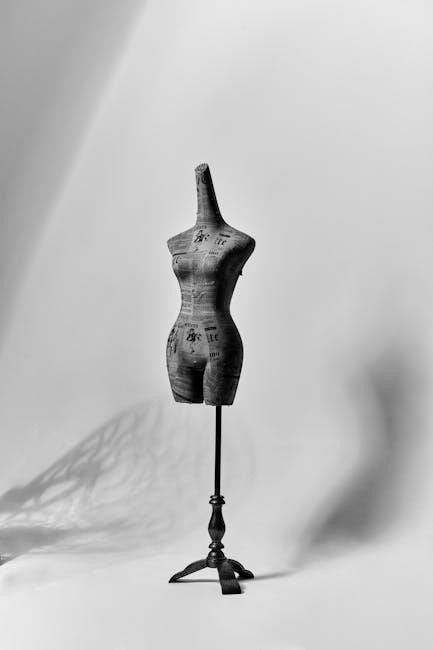
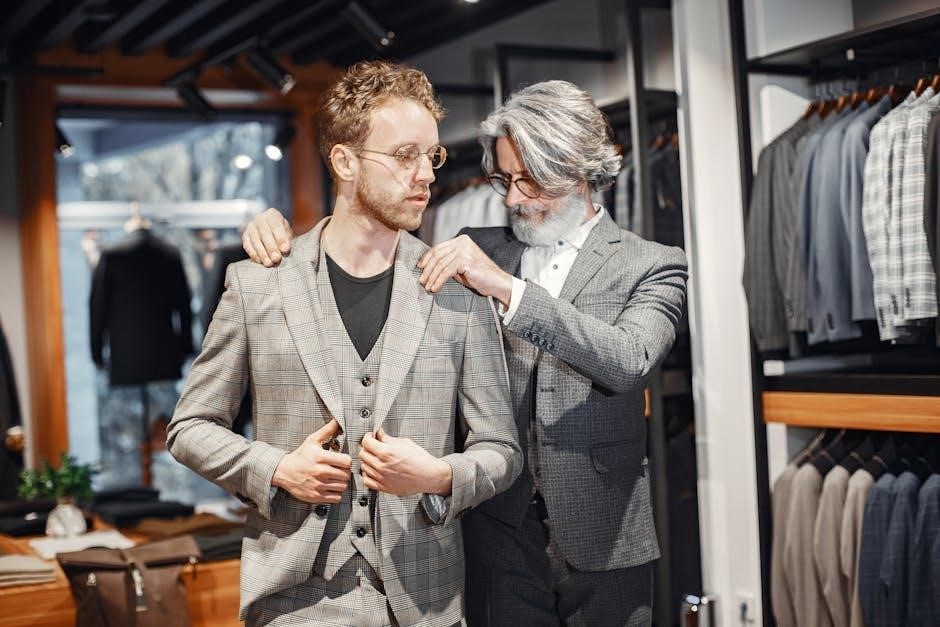
Achieving a perfect fit requires careful assessment and precise alterations—much like Beyoncé’s stage presence‚ demanding flawless execution and attention to detail.
Identifying Fitting Issues
Pinpointing fitting problems is crucial for a polished garment. Observe how the fabric drapes – is it pulling or bunching anywhere? Check shoulder seams; they should lie flat. Examine the waistline for gaping or tightness.
Assess sleeve length and armhole comfort. Look for wrinkles that don’t disappear with movement. A mirror‚ and ideally a second opinion‚ are invaluable. Remember Beyoncé’s meticulous attention to detail; apply that same scrutiny to your work.
Consider the overall silhouette and how it flatters the body. Accurate identification sets the stage for successful alterations.
Common Alterations: Hemming‚ Taking In Seams
Hemming adjusts garment length for a perfect fit‚ mirroring the precision seen in Beyoncé’s stage costumes. Taking in seams refines the silhouette‚ addressing excess fabric at the sides or back. These are foundational alterations.
Carefully unpick existing seams‚ preserving fabric integrity. Re-pin and re-stitch‚ ensuring a smooth‚ even line. Consider the original seam allowance; avoid removing too much.
Press alterations thoroughly for a professional finish. Remember delivery estimates vary‚ just as alteration complexity does – patience is key!
Caring for Tailored Garments
Proper cleaning and storage preserve tailored pieces‚ like Beyoncé’s exclusive items‚ ensuring longevity and maintaining their shape and luxurious quality.
Proper Cleaning Methods
Delicate fabrics require specialized care to maintain their structure and appearance. Dry cleaning is generally recommended for wool‚ silk‚ and linen garments‚ preserving their drape and preventing shrinkage. However‚ always check the garment’s care label for specific instructions‚ mirroring the attention to detail found in Beyoncé’s exclusive collections.
For cotton items‚ gentle hand washing or a delicate machine cycle can suffice‚ using cool water and a mild detergent. Avoid harsh chemicals or excessive agitation. Spot cleaning is ideal for minor stains‚ testing the cleaning solution on an inconspicuous area first. Proper cleaning‚ like the craftsmanship of Beyoncé’s designs‚ extends the life of your tailored investments.
Storage Techniques
Proper storage is crucial for preserving the shape and quality of tailored garments‚ much like Beyoncé carefully curates her iconic looks. Utilize padded hangers to support the shoulders and prevent stretching. Cover garments with breathable garment bags to protect from dust and moths‚ avoiding plastic which traps moisture.
Store seasonal items in a cool‚ dark‚ and dry place. Avoid overcrowding closets‚ allowing each piece sufficient space to breathe. For long-term storage‚ consider using acid-free tissue paper to cushion folds and prevent creasing. Thoughtful storage‚ like Beyoncé’s attention to detail‚ safeguards your investment.
Resources for Further Learning
Explore Beyoncé’s official website and tailoring books for inspiration; online courses offer structured learning‚ mirroring her dedication to artistry and craft.
Tailoring Books and Websites
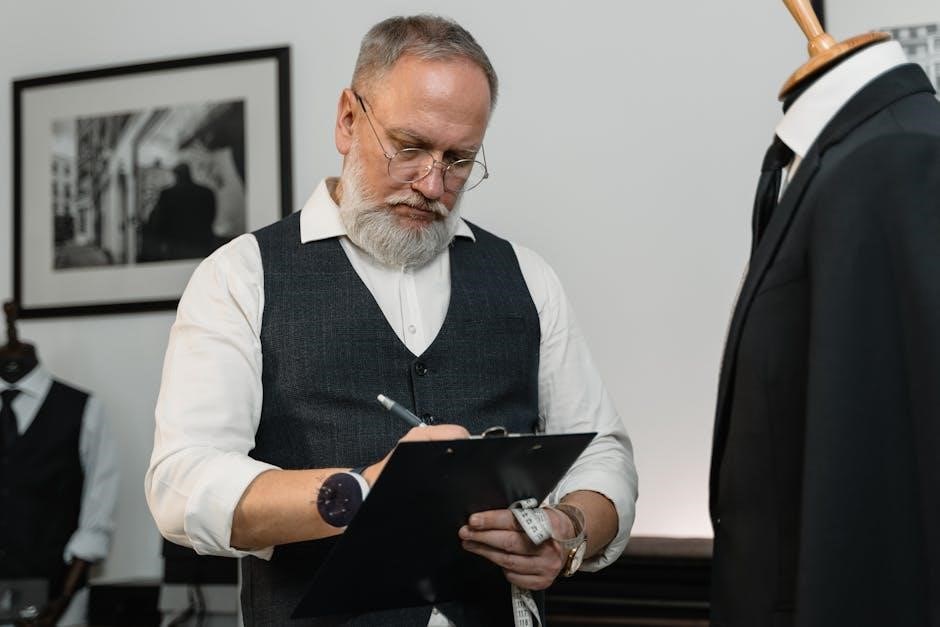
Delve into the world of tailoring with resources that echo Beyoncé’s meticulous attention to detail. Explore classic texts focusing on pattern making‚ draping‚ and construction techniques. Websites like Threads Magazine offer tutorials and expert advice‚ while dedicated tailoring blogs showcase modern approaches.
Consider books covering historical tailoring methods for a deeper understanding of garment evolution. The Official Website of Beyoncé itself‚ though not a tailoring resource‚ exemplifies the finished product of skilled craftsmanship. Remember to seek out resources that align with your skill level‚ from beginner guides to advanced pattern alteration techniques.
Online Courses and Workshops
Elevate your tailoring skills through structured learning experiences‚ mirroring the precision seen in Beyoncé’s stage costumes and public appearances. Platforms like Skillshare and Udemy offer comprehensive courses covering everything from basic stitches to advanced garment construction.
Look for workshops led by experienced tailors‚ providing hands-on guidance and personalized feedback. The Official Website of Beyoncé demonstrates the results of such expertise. Consider courses focusing on specific techniques‚ such as pattern drafting or fitting adjustments‚ to refine your craft and achieve professional-level results.