
Operations and Supply Chain Management, now in its 17th edition by Jacobs and Chase, equips future managers with essential tools for competitive advantage․
Overview of the Field
Operations and Supply Chain Management (OSCM) is a critical business function encompassing the design, operation, and improvement of the systems that create and deliver a company’s products and services․ The field integrates principles from engineering, management, and information technology to optimize processes, reduce costs, and enhance customer satisfaction․
The 17th edition of Jacobs and Chase’s textbook provides a comprehensive overview, addressing current challenges and opportunities within the global economy․ It focuses on building a competitive edge through effective OSCM strategies․ Students gain insights into core concepts and practical techniques, preparing them for successful careers in this dynamic field․ The text emphasizes data-driven decision-making and analytical skills, vital for modern OSCM professionals․
Importance of OSCM in Today’s Global Economy
In today’s interconnected world, Operations and Supply Chain Management (OSCM) is paramount for organizational success․ Global competition demands efficient, responsive, and resilient supply chains․ Jacobs and Chase’s 17th edition highlights this importance, focusing on navigating complexities like geopolitical instability and fluctuating demand․
Effective OSCM enables companies to reduce costs, improve quality, and deliver products faster․ It’s crucial for managing risks, fostering innovation, and achieving sustainability goals․ The textbook emphasizes the need for data-driven decisions and analytical skills to optimize global operations․ Mastering OSCM principles is no longer optional—it’s essential for thriving in the modern business landscape․

Core Concepts in Operations Management
Operations Management fundamentals, as detailed in Jacobs & Chase, encompass process design, capacity planning, and inventory control for optimal efficiency․
Process Management
Process Management, a cornerstone of Operations and Supply Chain Management as presented by Jacobs and Chase, focuses on designing, operating, and improving the ways goods and services are delivered․ This involves analyzing workflows, identifying bottlenecks, and implementing strategies to enhance efficiency and reduce waste․

Effective process management requires a deep understanding of process types – from functional to cellular layouts – and the application of techniques like process mapping and flowcharts․ The 17th edition emphasizes the importance of aligning processes with overall business strategy to achieve a sustainable competitive advantage․ Furthermore, it highlights the role of technology in automating and optimizing processes, leading to improved quality, reduced costs, and faster delivery times․
Capacity Planning
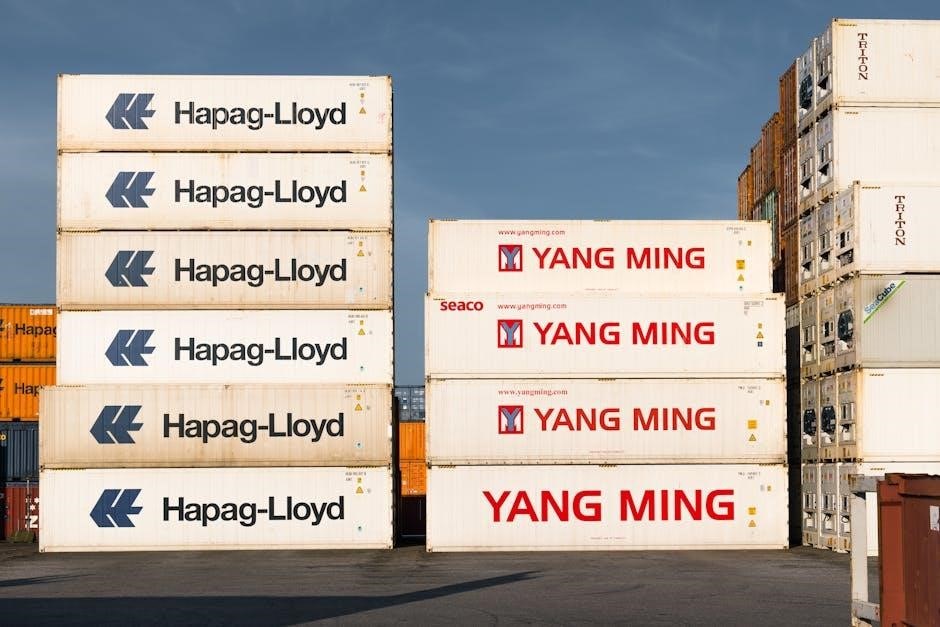
Capacity Planning, as detailed in Jacobs and Chase’s Operations and Supply Chain Management, is crucial for ensuring an organization can meet current and future demand․ This involves determining the optimal level of resources – equipment, labor, facilities – needed to produce goods or deliver services efficiently․
The textbook explores various capacity planning strategies, including lead capacity strategies (expanding capacity in anticipation of demand) and lag capacity strategies (expanding capacity only after demand increases)․ It also covers techniques for forecasting demand, evaluating alternative capacity options, and managing capacity constraints․ Effective capacity planning minimizes costs, maximizes resource utilization, and ensures customer satisfaction by avoiding stockouts or excessive inventory․
Inventory Management
Inventory Management, a core component discussed in Jacobs and Chase’s Operations and Supply Chain Management, focuses on balancing the costs of holding inventory against the risks of stockouts․ The textbook delves into various inventory control systems, including Economic Order Quantity (EOQ) models, reorder point planning, and Materials Requirements Planning (MRP)․
It emphasizes the importance of accurately forecasting demand, understanding lead times, and classifying inventory based on its value and importance (ABC analysis)․ Effective inventory management minimizes holding costs, reduces waste, and ensures product availability to meet customer needs, ultimately contributing to improved profitability and customer service․

Supply Chain Fundamentals
Jacobs & Chase’s text explores Supply Chain Dynamics, Supplier Relationship Management, and Logistics, crucial for efficient flow and value creation․
Supply Chain Dynamics
Supply Chain Dynamics, as detailed in Jacobs & Chase’s work, represent the intricate interplay between all parties involved in fulfilling a customer request․ This encompasses everything from the initial supplier to the ultimate end-user, highlighting the importance of coordinated efforts․ The 17th edition emphasizes understanding these flows within a global context, acknowledging the complexities introduced by international sourcing and distribution․
Effective management requires recognizing that each stage impacts others, creating a ripple effect․ Disruptions at one point can cascade throughout the entire chain․ Therefore, a holistic view, facilitated by the book’s analytical content, is vital for making informed decisions and building resilient supply chains capable of navigating unforeseen challenges․ The text provides tools to analyze and optimize these dynamic relationships․
Supplier Relationship Management
Supplier Relationship Management (SRM), a core focus within Jacobs & Chase’s Operations and Supply Chain Management, stresses the importance of collaborative partnerships․ The 17th edition highlights moving beyond transactional relationships to build long-term strategic alliances with key suppliers․ This involves open communication, shared risk, and joint problem-solving to enhance efficiency and innovation․
Effective SRM, as presented in the textbook, is crucial for securing supply, improving quality, and reducing costs․ The book’s analytical tools aid in evaluating supplier performance and identifying opportunities for improvement․ In today’s global economy, robust SRM is no longer optional, but a necessity for maintaining a competitive edge and ensuring supply chain resilience․
Logistics and Transportation
Logistics and Transportation, as detailed in Jacobs & Chase’s Operations and Supply Chain Management, are pivotal for efficient product flow․ The 17th edition emphasizes optimizing transportation networks, warehousing strategies, and distribution channels to minimize costs and maximize speed․ It explores various modes of transport – road, rail, air, and sea – and their respective advantages and disadvantages․
The textbook’s analytical content assists in making data-driven decisions regarding carrier selection, route optimization, and inventory positioning․ Effective logistics, according to the authors, is essential for meeting customer demands and maintaining a competitive advantage in the global marketplace․ It’s a critical component of a responsive and resilient supply chain․

The Role of Technology in OSCM
Jacobs & Chase’s text highlights how ERP systems, supply chain analytics, and digital transformation are reshaping operations for enhanced efficiency and data-driven insights․
Enterprise Resource Planning (ERP) Systems
ERP systems are foundational to modern Operations and Supply Chain Management, as detailed in Jacobs & Chase’s work․ These integrated software suites streamline processes across all functional areas – from finance and human resources to manufacturing and supply chain․ They provide a centralized database for real-time data visibility, enabling informed decision-making and improved coordination․
The textbook likely explores how ERP systems facilitate demand forecasting, inventory control, production scheduling, and order fulfillment․ By automating tasks and integrating data, ERPs reduce errors, lower costs, and enhance responsiveness to changing market conditions․ Furthermore, the latest editions emphasize the importance of cloud-based ERP solutions and their impact on scalability and accessibility for businesses of all sizes․
Supply Chain Analytics
Supply Chain Analytics, a core focus within Operations and Supply Chain Management by Jacobs and Chase, leverages data to optimize performance․ The textbook likely emphasizes using analytical tools to gain insights into supply chain operations, identifying bottlenecks, and predicting future trends․ This includes descriptive, predictive, and prescriptive analytics․
These techniques enable better demand forecasting, inventory optimization, and risk management․ Data-driven decisions, supported by analytics, lead to reduced costs, improved service levels, and increased efficiency․ Modern supply chains generate vast amounts of data; therefore, the ability to analyze this information is crucial for maintaining a competitive edge, as highlighted in the latest editions․
Digital Transformation in Supply Chains
Digital Transformation in Supply Chains, a key theme in the 17th edition of Operations and Supply Chain Management by Jacobs and Chase, signifies a fundamental shift in how supply chains operate․ This involves integrating technologies like AI, machine learning, and blockchain to enhance visibility, agility, and resilience․
The textbook likely explores how these technologies streamline processes, automate tasks, and improve decision-making․ Digitalization enables real-time data sharing, predictive analytics, and collaborative planning․ Embracing digital solutions is no longer optional but essential for organizations seeking to optimize their supply chains and respond effectively to evolving market demands and disruptions․

Quality Management and Control
Jacobs & Chase’s text details total quality management, quality analysis tools, and ISO 9000/14000 standards, with statistical details in Chapter 13․
Total Quality Management (TQM)
Total Quality Management (TQM), as presented within Jacobs & Chase’s Operations and Supply Chain Management, represents a comprehensive and integrated approach to continually improving the quality of products and processes․ This philosophy centers on customer satisfaction, involving all members of an organization in enhancing quality․
The text explores how TQM moves beyond simply meeting product specifications to proactively anticipating and exceeding customer expectations․ It emphasizes a commitment to continuous improvement, utilizing data-driven decision-making and employee empowerment․ Key concepts include process control, benchmarking, and a focus on eliminating defects at the source․ Implementing TQM effectively requires a cultural shift within the organization, fostering collaboration and a shared responsibility for quality outcomes․
Statistical Quality Control (SQC)
Statistical Quality Control (SQC), detailed in Chapter 13 of Jacobs & Chase’s Operations and Supply Chain Management, utilizes statistical methods to monitor and control processes․ This ensures products and services consistently meet established quality standards․ SQC involves employing techniques like control charts, acceptance sampling, and statistical process control (SPC) to identify and address variations in production․
The textbook emphasizes the importance of understanding statistical concepts to effectively analyze data and make informed decisions regarding quality․ SQC allows organizations to proactively detect issues, reduce defects, and improve process efficiency․ By applying statistical tools, businesses can minimize waste, enhance customer satisfaction, and maintain a competitive edge in the global marketplace․
ISO 9000 and 14000 Standards
Jacobs & Chase’s Operations and Supply Chain Management dedicates coverage to ISO 9000 and 14000 standards, crucial frameworks for quality and environmental management․ ISO 9000 focuses on quality management systems, ensuring consistent product quality and customer satisfaction through standardized processes․ ISO 14000 addresses environmental management, helping organizations minimize their environmental impact and comply with regulations․
The textbook explains how these standards provide a structured approach to continuous improvement, enhancing operational efficiency and building stakeholder trust․ Implementing these standards demonstrates a commitment to quality, sustainability, and responsible business practices, offering a competitive advantage in today’s global market․

Jacobs & Chase Textbook – Key Features
Jacobs & Chase’s 17th edition focuses on the global economy, providing analytic content and data-driven decisions for OSCM managers today․
17th Edition Updates
The latest 17th edition of Operations and Supply Chain Management, authored by F․ Robert Jacobs and Richard B․ Chase, delivers crucial updates reflecting the dynamic landscape of modern business․ This edition addresses the most pertinent issues currently confronting operations and supply chain managers, ensuring students are prepared for real-world challenges․
Readers gain access to the latest insights and techniques designed to foster a competitive edge and enhance career readiness․ The textbook’s content is readily available in various formats, including PDF versions for convenient access and study․ It’s a comprehensive resource, continually refined to remain at the forefront of OSCM education, evidenced by its strong user ratings and consistent updates․
Focus on Global Economy
Operations and Supply Chain Management, by Jacobs and Chase, places significant emphasis on the intricacies of the global economy․ The 17th edition specifically addresses how worldwide factors impact operational decisions and supply chain strategies․ Students will explore challenges and opportunities presented by international trade, diverse markets, and varying geopolitical landscapes․
This edition equips learners with the knowledge to navigate complex global networks, understand cultural nuances, and optimize supply chains for international operations․ Access to the textbook, including PDF formats, provides a robust foundation for understanding the interconnectedness of modern supply chains and the importance of a global perspective․
Analytic Content and Data-Driven Decisions
The latest edition of Operations and Supply Chain Management, authored by Jacobs and Chase, prioritizes analytical content to foster data-driven decision-making․ The textbook integrates relevant data and analytical tools, enabling students to connect operational choices directly to measurable outcomes․ This approach moves beyond theoretical concepts, providing practical application skills․
Students gain proficiency in interpreting data, utilizing quantitative methods, and making informed decisions that enhance supply chain performance․ Accessing the textbook, potentially in PDF format, allows for focused study of these analytical techniques, preparing future managers to excel in a data-rich business environment․

Current Trends in Operations and Supply Chain Management
Operations and Supply Chain Management addresses vital trends like sustainability, risk management, and e-commerce’s impact, preparing students for modern challenges․
Sustainability and Ethical Sourcing
Sustainability is increasingly crucial in modern Operations and Supply Chain Management (OSCM)․ The latest editions of Operations and Supply Chain Management by Jacobs and Chase highlight the growing importance of environmentally and socially responsible practices․ This includes minimizing waste, reducing carbon footprints, and ensuring fair labor standards throughout the supply chain․
Ethical sourcing demands transparency and accountability from suppliers, verifying adherence to ethical guidelines․ Companies are now expected to demonstrate a commitment to sustainable practices, not just for brand reputation, but also to meet consumer demands and regulatory requirements․ The textbook likely explores strategies for implementing sustainable supply chain initiatives and assessing their impact, fostering a more responsible and resilient global network․
Risk Management and Resilience
Risk Management is a core component of effective Operations and Supply Chain Management (OSCM), particularly emphasized in recent editions of Jacobs and Chase’s textbook․ Global events demonstrate the vulnerability of supply chains to disruptions – natural disasters, geopolitical instability, and economic fluctuations․ Building resilience involves proactive identification of potential risks and development of mitigation strategies․
The textbook likely details techniques for assessing supply chain vulnerabilities, diversifying sourcing, and creating contingency plans․ It probably explores strategies like nearshoring or reshoring to reduce reliance on single suppliers or regions․ A resilient supply chain can quickly adapt to unforeseen challenges, minimizing disruptions and maintaining operational continuity, ensuring long-term stability․
The Impact of E-commerce
E-commerce has profoundly reshaped Operations and Supply Chain Management (OSCM), a topic thoroughly addressed in the latest editions of Jacobs and Chase’s textbook․ The rise of online retail demands faster fulfillment, increased delivery frequency, and greater supply chain responsiveness․ Traditional supply chains are no longer sufficient to meet these expectations․
The textbook likely explores strategies for managing the complexities of e-commerce logistics, including last-mile delivery, reverse logistics (returns), and omnichannel fulfillment․ It probably details how technology, such as warehouse automation and real-time tracking, is crucial for optimizing e-commerce supply chains and enhancing customer satisfaction․
Future of Operations and Supply Chain Management
Jacobs & Chase’s text likely explores how AI, blockchain, and the circular economy will redefine OSCM, driving innovation and sustainability․
Artificial Intelligence and Machine Learning
Artificial Intelligence (AI) and Machine Learning (ML) are poised to revolutionize operations and supply chain management, and the latest editions of Jacobs & Chase’s textbook likely address these transformative technologies․ Expect coverage of predictive analytics for demand forecasting, optimizing inventory levels, and enhancing logistics efficiency․
AI-powered systems can automate routine tasks, freeing up human resources for strategic decision-making․ ML algorithms can identify patterns and anomalies in vast datasets, improving risk management and enabling proactive problem-solving․ The integration of these technologies promises increased agility, reduced costs, and improved customer satisfaction within complex supply chain networks․ The book probably details real-world applications and case studies demonstrating the practical benefits of AI and ML in OSCM․
Blockchain Technology
Blockchain technology offers a secure and transparent method for tracking goods and information throughout the supply chain, a topic increasingly relevant in modern Operations and Supply Chain Management․ The latest editions of Jacobs & Chase’s textbook likely explore its potential to enhance traceability, reduce counterfeiting, and improve trust among supply chain partners․
Blockchain’s decentralized nature creates an immutable record of transactions, fostering greater accountability and efficiency․ Applications range from verifying product origin and authenticity to streamlining payment processes and managing contracts․ Expect discussion on overcoming implementation challenges and exploring the future role of blockchain in building more resilient and transparent supply chains, as covered within the textbook’s framework․
The Circular Economy
The Circular Economy represents a paradigm shift in Operations and Supply Chain Management, moving beyond traditional linear ‘take-make-dispose’ models․ Modern texts, like those by Jacobs and Chase, increasingly emphasize strategies for resource optimization, waste reduction, and product lifecycle extension․
This approach necessitates redesigning supply chains to prioritize reuse, repair, refurbishment, and recycling․ Expect discussion on closed-loop systems, reverse logistics, and the role of sustainable sourcing․ The textbook likely explores how businesses can leverage circular principles to enhance environmental performance, reduce costs, and create new revenue streams, aligning with growing consumer demand for sustainable products and practices․