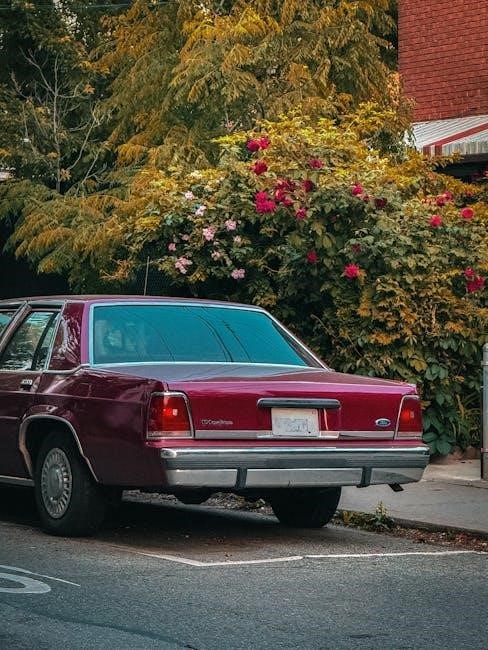
Manual Swapped Crown Vic: A Comprehensive Guide (Updated 05/05/2026)
As the iconic Crown Victoria Police package nears retirement‚ enthusiasts are increasingly pursuing manual transmission swaps‚ breathing new life into this legendary platform.
The Ford Crown Victoria‚ particularly the Police Interceptor version‚ holds a unique place in automotive history. For decades‚ it served as the workhorse of law enforcement‚ known for its durability and robust V8 engine. However‚ most were equipped with automatic transmissions.
Now‚ as these vehicles become more accessible and affordable‚ a growing community is embracing the challenge – and reward – of converting them to manual transmissions. This isn’t simply about adding a gear; it’s about transforming the driving experience‚ injecting a level of driver engagement and control absent in the factory configuration. The appeal lies in reconnecting with the car‚ feeling more involved in the process of driving‚ and unlocking a different dimension of performance.
Why Swap to Manual? Performance & Driver Engagement
Swapping to a manual transmission in a Crown Vic isn’t just a modification; it’s a fundamental shift in the car’s character. While the automatic offered reliability for police duty‚ a manual unlocks the engine’s full potential. Drivers gain precise gear selection‚ enhancing acceleration and control.
Beyond performance‚ the primary draw is driver engagement. A manual transmission demands active participation‚ fostering a deeper connection with the vehicle. This transforms the Crown Vic from a comfortable cruiser into a genuinely rewarding driving machine‚ appealing to enthusiasts seeking a more visceral experience. It’s about feeling in command.
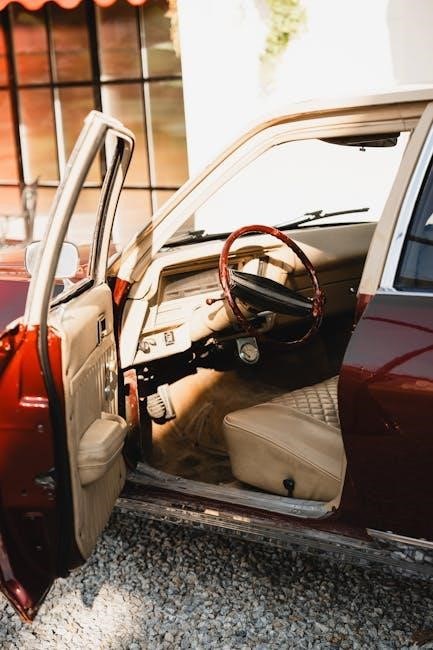
The Crown Victoria Police Package: A Solid Foundation
The Crown Vic‚ particularly the Police Package‚ presents a robust and readily available platform for a manual swap‚ due to its durable construction and widespread availability.
The Popularity of the P71
The P71‚ Ford’s Crown Victoria Police interceptor‚ enjoys immense popularity among swap enthusiasts. Its robust drivetrain components‚ including the 5.0L V8 engine and sturdy rear end‚ provide a solid base for increased performance. The P71’s relatively low cost and plentiful availability make it an accessible starting point.
Furthermore‚ the P71 was designed for demanding duty cycles‚ meaning its underlying structure can handle the stresses introduced by a manual transmission and more spirited driving. This inherent durability is a key factor driving its appeal for those undertaking this conversion project‚ ensuring a reliable and enjoyable outcome.
Identifying a Suitable Donor Vehicle
Selecting the right Crown Vic is crucial. Prioritize vehicles with minimal rust and a well-maintained chassis. Lower mileage examples are preferable‚ though a thorough mechanical inspection is paramount‚ regardless of odometer reading. Look for P71 models‚ but civilian Crown Vics can also work‚ requiring more component sourcing.
Carefully assess the vehicle’s history; accident-free examples are ideal. Inspect the engine and transmission mounts for damage. A complete interior‚ even if needing restoration‚ simplifies shifter and pedal installation. Document everything before purchase to aid in the swap process.

Sourcing the Manual Transmission & Components
Finding the right transmission‚ shifter‚ and pedals requires diligent searching. Popular choices include the T56 and Tremec TKO‚ demanding careful component compatibility checks.
T56 Transmission: A Common Choice
The BorgWarner T56 is a widely favored manual transmission for Crown Victoria swaps‚ celebrated for its robust construction and readily available aftermarket support. Originally found in various performance vehicles like the Chevrolet Corvette and Camaro‚ the T56 offers six forward gears‚ enhancing both acceleration and highway cruising.
Its strength allows it to handle the Crown Vic’s V8 power‚ but requires careful consideration of bellhousing compatibility and input shaft length. Adapters are commonly used‚ adding to the overall cost. Finding a suitable T56 often involves searching salvage yards or specialized transmission retailers‚ demanding patience and research.
Tremec TKO: Another Viable Option
For those seeking a slightly more refined driving experience‚ the Tremec TKO transmission presents a compelling alternative to the T56. Known for its smoother shifts and quieter operation‚ the TKO is a popular choice among Crown Vic enthusiasts prioritizing comfort alongside performance.
Available in various ratios‚ it allows for tailored gearing to match the vehicle’s intended use. Like the T56‚ adapters are typically needed for installation‚ and sourcing can involve salvage yards or direct purchases from Tremec distributors. It’s a premium option‚ often commanding a higher price point.
Locating Pedals‚ Shifter‚ and Linkage
Sourcing the necessary interior components requires diligent searching. Crown Vic factory manuals are rare‚ making aftermarket solutions common. Pedal assemblies can be found from other Ford vehicles‚ often requiring modification for proper fitment. Shifters range from universal options needing console adjustments to Crown Vic-specific designs.
Linkage presents a unique challenge‚ often necessitating custom fabrication or adaptation of components from similar vehicles. Online forums and dedicated swap communities are invaluable resources for locating parts and sharing successful installation strategies.

Mechanical Modifications: The Core of the Swap
Successfully converting a Crown Vic demands significant mechanical alterations‚ including transmission mounting‚ driveshaft adjustments‚ and careful clutch system installation for optimal performance.
Transmission Crossmember Fabrication/Modification
The factory Crown Victoria crossmember is incompatible with most manual transmissions‚ necessitating fabrication or substantial modification. This is arguably the most critical mechanical hurdle. Often‚ a completely new crossmember is constructed from steel tubing‚ precisely positioned to support the chosen transmission’s weight and align the drivetrain correctly.
Careful measurement and welding are paramount for structural integrity and proper alignment. Some kits offer pre-fabricated crossmembers‚ simplifying the process. Reinforcing the chassis near the mounting points is also recommended to handle the increased stress from the manual transmission and clutch engagement. Accurate placement ensures proper driveshaft angles‚ preventing vibrations.
Driveshaft Modification or Replacement
Due to the change in transmission length and output spline configuration‚ the original driveshaft almost always requires modification or complete replacement. Length adjustments are crucial to avoid binding or excessive play. A driveshaft shop can professionally shorten or lengthen the existing shaft and change the yokes to match the new transmission’s output flange.
Alternatively‚ a custom driveshaft can be built to precise specifications. Ensuring proper balance is vital to minimize vibrations at higher speeds. Consider the driveshaft’s material and diameter based on the engine’s power output and intended use.
Clutch Hydraulics and Master Cylinder Installation
Converting to a manual transmission necessitates a hydraulic clutch system‚ as the Crown Vic never originally featured one. Selecting the correct master cylinder bore size is critical for pedal feel and engagement. A smaller bore generally provides a firmer pedal‚ while a larger bore offers easier engagement.
Proper routing of the hydraulic lines is essential‚ avoiding exhaust components and moving parts. Bleeding the system thoroughly is vital to eliminate air bubbles and ensure consistent clutch operation. Consider an adjustable proportioning valve for fine-tuning pedal feel.
Flywheel and Clutch Selection
Choosing the right flywheel and clutch is paramount for a successful manual swap. A lighter flywheel improves engine responsiveness‚ but may increase noise and vibration. Clutch selection depends on intended use; a heavy-duty clutch is crucial for performance builds‚ while a milder unit suits daily driving.
Ensure the flywheel is balanced to prevent vibrations. Consider the clutch disc’s diameter and spline count to match the transmission input shaft. Proper break-in procedures are vital to maximize clutch life and prevent glazing.
Electrical Considerations: Wiring and Sensors
Integrating the manual transmission requires careful wiring for the Vehicle Speed Sensor (VSS) and Neutral Safety Switch‚ ensuring proper ECU function and compatibility.
Vehicle Speed Sensor (VSS) Integration
The Crown Vic’s factory VSS signal is crucial for speedometer operation‚ transmission control (though less relevant post-swap)‚ and potentially other systems. Retaining accurate speed readings post-swap necessitates careful VSS integration. Often‚ the T56 or TKO transmission will have its own VSS output. Adapting this signal to be compatible with the Crown Vic’s instrument cluster and ECU requires an adapter or signal converter.
Some converters translate the transmission’s digital signal into an analog pulse suitable for the factory system. Incorrect VSS signals can cause inaccurate speedometer readings or even affect engine performance. Thorough testing and calibration are vital for a seamless integration‚ ensuring all vehicle systems function correctly with the new manual setup.
Neutral Safety Switch Wiring
The original Crown Vic neutral safety switch prevents starting in gear‚ a critical safety feature. With a manual swap‚ this system needs adaptation. The switch typically interrupts the starter circuit. Post-swap‚ you’ll need to wire the switch to only allow the starter to engage when the clutch pedal is fully depressed.
This requires identifying the correct wires in the starter circuit and integrating the clutch switch into that loop. Proper wiring ensures the vehicle won’t start in gear‚ maintaining a crucial safety function. Incorrect wiring can lead to starting issues or‚ worse‚ unintended vehicle movement.
ECU Compatibility and Tuning
The Crown Vic’s factory ECU wasn’t designed for a manual transmission‚ necessitating careful consideration. While the engine will run‚ optimal performance requires tuning to remove automatic transmission-related parameters and adjust for the manual setup. This often involves a custom tune‚ utilizing software to recalibrate the ECU.
Tuning can optimize fuel delivery‚ ignition timing‚ and throttle response for the manual transmission. Addressing the Vehicle Speed Sensor (VSS) signal is also crucial for accurate speedometer readings and proper transmission operation. A skilled tuner familiar with Ford ECUs is highly recommended.
Fuel System Adjustments
Increased engine demands from a manual swap may require fuel pump and injector upgrades to maintain optimal performance and reliability during spirited driving.
Potential Fuel Pump Upgrades
The stock fuel pump in a Crown Victoria Police Package is generally sufficient for mild modifications‚ but a manual transmission swap often leads to higher RPM usage and increased engine load. Consequently‚ upgrading to a higher-flow fuel pump becomes crucial for consistent fuel delivery.
Walbro 255 LPH pumps are a popular and affordable choice‚ providing a significant increase in flow capacity. For more aggressive builds‚ dual pumps or pumps with even higher flow rates may be necessary. Ensure compatibility with existing fuel lines and consider adding a fuel pressure regulator for precise control.
Injector Compatibility
When swapping to a manual transmission‚ ensuring injector compatibility is vital for optimal engine performance. The Crown Vic’s factory injectors may become flow-limited with increased engine speed and demand from the manual setup. Carefully assess your engine’s horsepower goals to determine the appropriate injector size.
Larger injectors provide more fuel‚ but require careful ECU tuning to avoid running rich. Consider injectors designed for Ford’s modular engines‚ ensuring proper spray pattern and impedance matching. Thorough research and professional tuning are essential for a successful outcome.
Cooling System Upgrades
Increased heat from spirited driving necessitates a robust cooling system. Installing an auxiliary transmission cooler is crucial‚ alongside potentially upgrading the radiator for peak performance.
Transmission Cooler Installation
A manual transmission swap generates significantly more heat than the factory automatic‚ demanding a dedicated transmission cooler. Options range from simple plate-fin coolers mounted in front of the radiator to more elaborate remote coolers with electric fans.
Proper sizing is critical; consider the transmission’s heat output and your intended use. Routing the cooler lines requires careful planning‚ avoiding exhaust components and ensuring adequate protection from road debris.
Many installers opt for stainless steel braided lines for durability. A correctly installed cooler dramatically extends transmission life and prevents overheating during demanding driving scenarios.
Rear End & Differential Considerations
Optimizing the rear end gear ratio is crucial for a manual swapped Crown Vic‚ enhancing acceleration and overall driving experience with the new transmission.
Gear Ratio Selection for Manual Transmission
Selecting the correct gear ratio is paramount when converting a Crown Vic to a manual transmission. The factory automatic ratios were designed for smooth cruising and weren’t optimized for spirited driving. A common approach involves choosing a numerically higher gear ratio – typically in the 3.73:1 to 4.10:1 range – to compensate for the loss of torque multiplication from the automatic.
This provides quicker acceleration and a more engaging driving experience. However‚ excessively high ratios can negatively impact fuel economy and increase engine RPM at highway speeds. Careful consideration of intended use – daily driving versus track performance – is essential for making the optimal choice. Experimentation and tuning may be required to find the sweet spot.
Limited Slip Differential (LSD) Options
Upgrading to a limited-slip differential (LSD) significantly enhances the driving dynamics of a manual-swapped Crown Vic‚ particularly for performance applications. An LSD distributes power to both rear wheels‚ improving traction during acceleration and cornering. Several options exist‚ including clutch-type‚ Torsen‚ and Eaton differentials.
Clutch-type LSDs offer precise control but require periodic maintenance. Torsen differentials are smoother and more durable‚ while Eaton provides a balance of both. Choosing the right LSD depends on budget and intended use‚ with more aggressive options suited for track days and drifting.
Braking System Enhancements
Increased performance demands upgraded brakes; consider larger rotors‚ multi-piston calipers‚ and performance pads for improved stopping power and heat management.
Brake Bias Adjustment
Shifting to a manual transmission fundamentally alters the car’s weight distribution during acceleration and deceleration‚ necessitating careful brake bias adjustment. The stock Crown Vic brake system is designed for automatic operation and may exhibit a rearward bias‚ potentially leading to instability under hard braking with the manual swap.
Adjustable proportioning valves are crucial for fine-tuning the front-to-rear brake force distribution. Experimentation on a closed course is vital to determine the optimal setting‚ ensuring balanced braking and maximizing control. Monitoring tire temperatures can also provide valuable feedback regarding brake bias.

Larger Brake Rotor/Caliper Upgrades
The increased performance potential unlocked by a manual transmission swap often demands a corresponding upgrade to the braking system. Larger rotors and multi-piston calipers significantly enhance stopping power and heat dissipation‚ crucial for sustained performance driving.
Popular options include kits designed for the Mustang GT or even larger aftermarket solutions. Ensure compatibility with your wheel size and consider stainless steel brake lines for improved pedal feel. Upgrading the master cylinder is also recommended to provide adequate hydraulic pressure for the larger calipers.
Interior Modifications: Completing the Swap
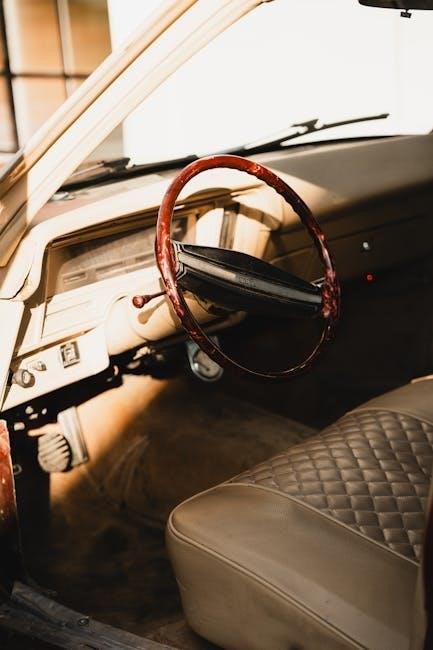
Finalizing the conversion requires careful attention to the interior‚ including shifter installation‚ console adjustments‚ and precise pedal box placement for optimal ergonomics.
Shifter Installation and Console Modifications
Selecting the right shifter is crucial; options range from short-throw designs for aggressive driving to more comfortable‚ stock-feeling alternatives. Installation often necessitates console modifications‚ as the original automatic shifter opening won’t accommodate a manual setup.
Careful trimming or fabrication of a new console insert is typically required. Consider the shifter’s height and throw pattern to ensure comfortable reach and smooth operation. Some enthusiasts opt for custom console builds‚ integrating additional storage or gauge placements around the shifter. Proper alignment is key for a clean‚ functional‚ and aesthetically pleasing result.
Pedal Box Installation
Installing a manual pedal box requires careful planning and execution. Aftermarket kits are available‚ designed specifically for Crown Victoria swaps‚ offering a direct bolt-in solution‚ though some modification may still be needed. Alternatively‚ fabricating a custom setup using donor components from another vehicle is possible.
Precise placement is vital for comfortable clutch engagement and braking. Ensure adequate clearance from the steering column and other interior components. Proper mounting and reinforcement are essential for safety and to prevent pedal movement during operation. Thorough testing is crucial before final installation.
Common Challenges and Troubleshooting
Expect hurdles like clutch engagement issues‚ transmission noise‚ and wiring complexities during the swap; diligent diagnosis and community resources are key to resolution.
Clutch Engagement Issues
Difficulty achieving smooth clutch engagement is a frequent concern post-swap. Air in the hydraulic lines is a primary culprit‚ necessitating thorough bleeding of the system. Incorrect master cylinder pushrod adjustment can also lead to incomplete clutch disengagement‚ causing grinding during shifts.
Verify proper firewall clearance for the master cylinder and inspect the slave cylinder for leaks. A worn or damaged throw-out bearing will manifest as noise and engagement problems. Finally‚ ensure the clutch disc is correctly oriented and compatible with the flywheel – mismatched components can cause persistent issues.
Transmission Noise
Unusual noises emanating from the transmission post-swap demand immediate attention. Whining sounds often indicate insufficient fluid levels or incorrect fluid type; verify the transmission is filled with the manufacturer’s recommended lubricant. Gear clash during shifts suggests improper alignment or worn synchronizers within the transmission itself.
Inspect the transmission mount for looseness or damage‚ as this can amplify vibrations and noises. A rattling sound might point to internal bearing issues. Thoroughly check for any loose hardware or components that could be contributing to the unwanted sounds.
Wiring Problems
Electrical gremlins are common during a manual swap. Incorrectly wired sensors‚ like the Vehicle Speed Sensor (VSS)‚ can cause speedometer inaccuracies or transmission-related error codes. A poorly connected neutral safety switch may prevent the engine from starting or allow shifting without the clutch depressed.

Double-check all connections against wiring diagrams‚ ensuring proper polarity and secure grounding. Utilize a multimeter to verify voltage and continuity. Consider a professional automotive electrician if complex ECU compatibility or tuning issues arise.
Cost Breakdown: Estimating the Swap
A manual Crown Vic swap ranges from $1‚500 to $5‚000+‚ depending on parts chosen and if professional labor is utilized for the conversion.
Parts Costs
The transmission itself represents a significant expense‚ with T56 units ranging from $800 to $2‚500 depending on condition and source. A Tremec TKO can be similarly priced. Clutch kits‚ including flywheel‚ pressure plate‚ and disc‚ typically fall between $300 and $800. Pedals and shifter assemblies can add another $200 to $600.
Don’t forget the smaller‚ but crucial‚ components: a new master cylinder ($100-$300)‚ linkage hardware ($50-$150)‚ and potentially a modified driveshaft ($200-$500). Budgeting for unforeseen expenses‚ like hardware or bushings‚ is always wise‚ adding another $100-$300 to the total.
Labor Costs (If Applicable)
If outsourcing the swap‚ labor costs can vary dramatically based on location and shop rates. Expect a comprehensive swap to require between 40 and 80 hours of skilled labor.
At a typical shop rate of $100-$150 per hour‚ this translates to a labor bill of $4‚000 to $12‚000. Fabrication work‚ such as transmission crossmember modification‚ will increase these costs. DIY enthusiasts can save significantly‚ but must possess advanced mechanical skills and appropriate tools.
Resources and Communities
Dedicated online forums and swap-specific groups offer invaluable support‚ shared knowledge‚ and troubleshooting assistance for your Crown Vic manual conversion journey.
Crown Vic Forums
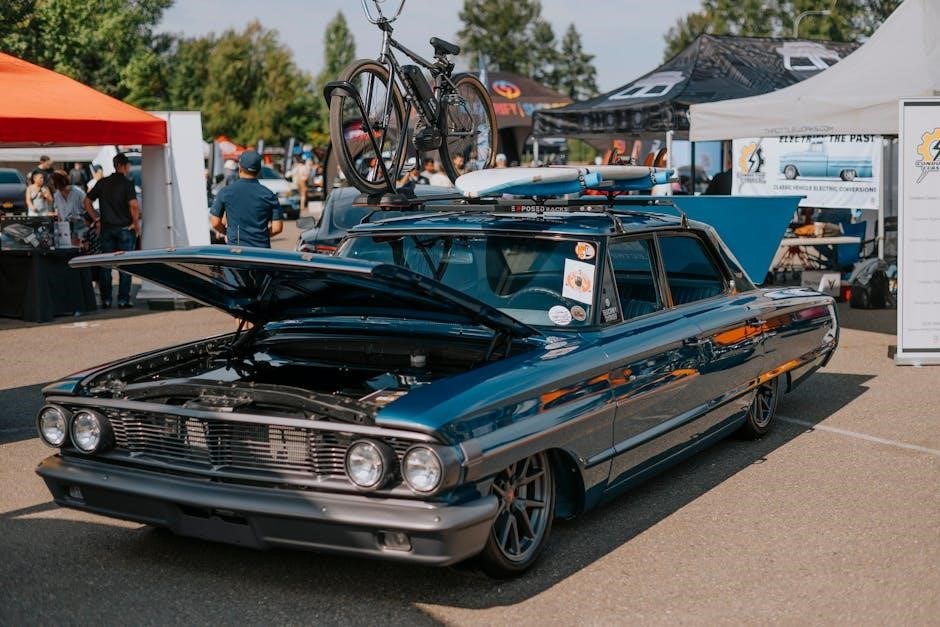
Numerous online forums cater specifically to Crown Victoria owners and enthusiasts‚ providing a wealth of information relevant to manual swaps. CrownVic.net is a highly active community‚ boasting dedicated threads on transmission swaps‚ offering detailed build logs‚ and facilitating direct communication with experienced swappers.
Similarly‚ the Panther Owners Forum (pantherpc.com) serves as a central hub for all Panther-platform vehicles – including the Crown Vic – and features extensive discussions on modifications‚ including manual conversions. These forums are excellent resources for sourcing advice‚ identifying potential pitfalls‚ and connecting with individuals who have successfully completed similar projects.
Swap-Specific Online Groups
Beyond general Crown Vic forums‚ dedicated online groups focus exclusively on manual transmission swaps in these vehicles. Facebook groups‚ such as “Crown Vic Manual Swap‚” offer a dynamic platform for real-time discussions‚ quick question-and-answer sessions‚ and sharing of photos and videos documenting swap progress.
These specialized groups often attract individuals with niche expertise‚ providing invaluable assistance with complex issues. Additionally‚ dedicated Reddit communities (subreddits) may exist‚ offering another avenue for connecting with fellow enthusiasts and accessing a broader range of perspectives.
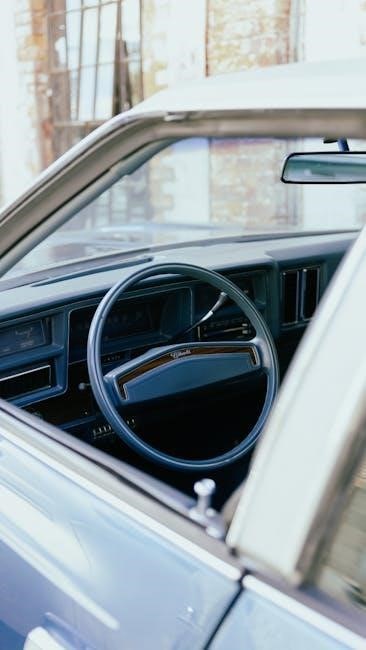
Is a Manual Swapped Crown Vic Right for You?
Ultimately‚ deciding if a manual-swapped Crown Vic aligns with your goals requires honest self-assessment. This isn’t a bolt-on modification; it’s a substantial undertaking demanding mechanical skill‚ financial investment‚ and considerable time.
However‚ for those seeking a uniquely engaging driving experience‚ transforming this former police interceptor into a driver-focused machine can be incredibly rewarding. The enhanced control and connection to the vehicle offer a thrilling alternative to the original automatic transmission.