
Sharp portable AC units offer convenient cooling solutions, and understanding the operation manual is crucial for optimal performance and longevity․
Overview of Sharp Portable AC Models
Sharp offers a diverse range of portable air conditioners, including models like the CV-2P10SC and CV-10NH, designed for various room sizes and cooling needs․ These units generally feature cooling, dehumidifying, and fan modes, providing versatile climate control․ The manual details specific model capabilities, BTU ratings, and energy efficiency information․
Understanding the differences between models – such as hose length, tank capacity, and control panel features – is vital․ The operation manual provides detailed specifications for each unit, ensuring users select the best model for their requirements and operate it effectively․
Importance of the Manual
The Sharp portable AC manual is essential for safe and efficient operation․ It contains critical installation instructions, including window kit assembly and exhaust hose connection, preventing improper setup․ Ignoring the manual can lead to reduced cooling performance or even damage to the unit․
Furthermore, the manual outlines safety precautions, troubleshooting steps, and warranty information․ It details proper maintenance, like filter cleaning, extending the AC’s lifespan․ Always retain both the installation and operation manuals for future reference and potential warranty claims․

Unboxing and Component Check
Carefully unpack your Sharp portable AC, verifying all listed parts – hose, remote, manual, and packing – are present and undamaged before proceeding․
List of Included Parts (Hose, Remote, Manual etc․)
Upon opening the box, ensure you have the following components: one Sharp portable air conditioner unit itself, a dedicated remote control for convenient operation, and the essential air outlet hose for expelling warm air․
Additionally, you should find the device’s packing material for potential future transport or storage, and most importantly, the comprehensive instruction manual․ This manual details installation, operation, and maintenance․ Confirm the presence of both the Installation Manual and the Operation Manual for complete guidance․
Missing components should be reported immediately to the retailer or Sharp customer support․
Identifying Key Components
Familiarize yourself with the unit’s key features․ Locate the air inlet and outlet vents, crucial for airflow․ Identify the control panel, used for adjusting settings, and the designated area for the air filter – regular cleaning is vital․
The exhaust hose connection point is essential for proper ventilation․ Note the location of the water drainage port, used for removing collected moisture during dehumidifying mode․
The remote control houses duplicate functions of the control panel, offering convenient operation from a distance․ Refer to the manual for detailed diagrams and explanations of each component․
Installation Guide
Proper installation, detailed in the manual, involves securing the window kit and exhaust hose for efficient operation and optimal cooling performance․
Window Kit Installation

Carefully review the manual before beginning window kit installation; proper sealing is vital for efficiency․ Adjust the window kit panels to fit your window opening securely, ensuring minimal gaps․
Follow the illustrated steps in the manual to correctly assemble and lock the panels into place․ Ensure the window kit is firmly supported to prevent accidental falls․
Pay close attention to the manual’s guidance on window type compatibility – some windows may require additional support or modifications․ A secure fit minimizes hot air re-entry, maximizing cooling performance․
Exhaust Hose Connection
Refer to your Sharp portable AC manual for precise exhaust hose connection instructions; a secure connection is paramount․ Attach the exhaust hose to the unit’s rear outlet, twisting clockwise until firmly locked, as depicted in the manual․
Connect the other end of the hose to the window kit, again ensuring a tight, leak-proof seal․
Avoid bending or kinking the hose, as this restricts airflow and reduces cooling efficiency․ The manual may suggest hose extensions for specific window configurations; follow those guidelines carefully․
Power Connection and Safety
Before plugging in your Sharp portable AC, consult the manual for voltage requirements and ensure compatibility with your power outlet․ Use a grounded outlet to prevent electrical shock, as detailed in the safety section of the manual․
Avoid using extension cords or power strips; connect directly to a wall outlet․
Never operate the unit with a damaged power cord․ Disconnect the AC during cleaning or maintenance, and always follow the manual’s safety precautions to prevent hazards․
Operating Instructions
Refer to your Sharp AC manual for detailed guidance on powering the unit on/off, selecting cooling modes, and utilizing fan functionalities effectively․
Powering On/Off and Basic Controls
Before operation, consult the Sharp portable AC manual for specific button functions․ Typically, the power button initiates operation, often indicated by a lit display․ Use the ‘Mode’ button to cycle through cooling, fan, and dehumidifying settings․
Temperature adjustment is usually achieved via ‘+’ and ‘-’ buttons, setting your desired comfort level․ The remote control mirrors these functions for convenient operation from a distance․ Ensure the unit is properly connected to power and the exhaust hose is correctly installed before powering on․ Always refer to the manual for safety precautions․
Cooling Mode Operation
To activate cooling, select the ‘Cool’ mode on your Sharp portable AC, referencing the manual for the exact button․ Set your desired temperature using the ‘+’ and ‘-’ buttons; lower numbers indicate cooler temperatures․ Fan speed can often be adjusted – higher speeds provide quicker cooling but increased noise․
Ensure windows and doors are sealed for maximum efficiency․ The unit will cycle on and off to maintain the set temperature․ Regularly check the exhaust hose for proper ventilation, as restricted airflow reduces cooling performance․ Consult the manual for optimal cooling tips․
Fan Mode and Ventilation
Utilizing the fan mode on your Sharp portable AC, detailed in the manual, provides air circulation without cooling; Select ‘Fan’ mode and choose from multiple fan speeds – low, medium, or high – to suit your comfort․ This mode is ideal for simply moving air around a room or complementing existing cooling․
Remember, in fan mode, the exhaust hose isn’t necessarily required, offering flexible ventilation options․ Regularly check the manual for specific instructions related to your model’s fan functionality and optimal airflow settings․

Advanced Features
Sharp portable ACs boast features like dehumidifying, sleep mode, and timers; consult the manual to fully utilize these functions for personalized comfort․
Dehumidifying Mode
Sharp portable air conditioners offer a dehumidifying mode, effectively reducing moisture levels in your room without significant cooling․ The operation manual details how to activate this feature, which is beneficial in humid climates or damp spaces․
This mode operates by drawing air over chilled coils, condensing the moisture, and collecting it internally․ Regularly check the unit’s water drainage system, as outlined in the manual, to prevent overflow․ Utilizing dehumidifying mode can improve indoor air quality and create a more comfortable living environment, especially when combined with proper ventilation․
Sleep Mode and Timer Settings
Sharp portable AC units feature a sleep mode, gradually increasing the temperature overnight for energy savings and comfort, detailed within the operation manual․ This prevents excessive cooling during sleep․
The manual also explains timer settings, allowing you to schedule the unit to turn on or off automatically․ Programmed operation minimizes energy consumption and ensures the room reaches your desired temperature precisely when needed․ Explore these features to personalize your cooling experience and optimize efficiency based on your daily routine․
Temperature Control and Adjustment
The Sharp portable AC operation manual details precise temperature control options; Users can adjust the cooling intensity using the remote or onboard controls, selecting a comfortable setting in Fahrenheit or Celsius․
The manual explains how to set a desired temperature, with the unit automatically adjusting to maintain it․ Fine-tuning is possible for personalized comfort․ Understanding these controls, as outlined in the manual, ensures efficient operation and prevents energy waste by avoiding unnecessarily low temperatures․
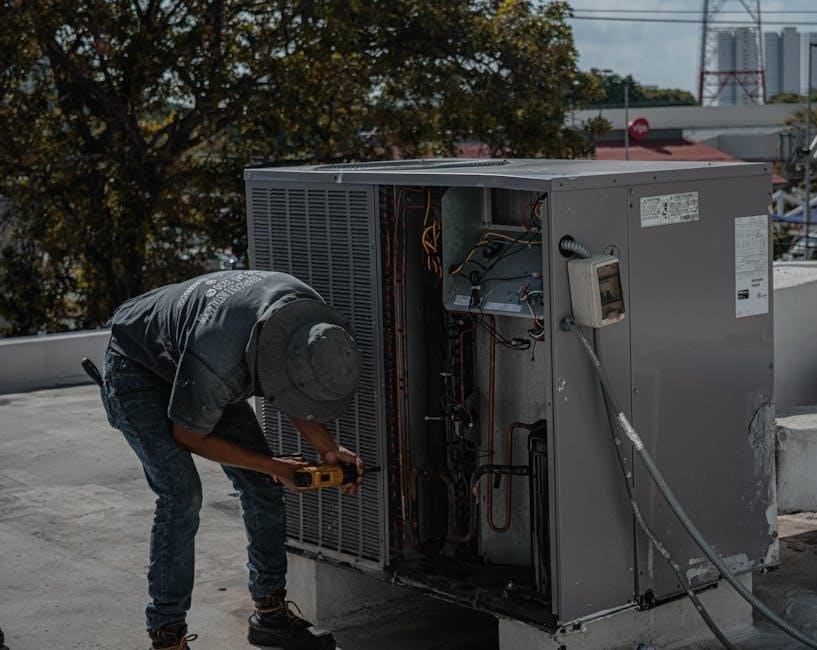
Maintenance and Cleaning
The Sharp manual stresses regular filter cleaning for optimal performance and air quality, alongside exterior cleaning and proper storage procedures․
Filter Cleaning Procedures
Sharp’s manual details a straightforward filter cleaning process vital for maintaining cooling efficiency․ First, power off and unplug the unit for safety․ Locate the filter, usually behind the front grille, and gently remove it․ Vacuum the filter to remove large dust particles, then wash it with mild detergent and water․
Rinse thoroughly and allow the filter to completely dry before reinstalling․ Regular cleaning – ideally every two weeks with frequent use – prevents dust buildup, ensuring optimal airflow and preventing potential issues․ A clogged filter reduces cooling capacity and can strain the unit․
Exterior Cleaning
Sharp’s manual recommends regular exterior cleaning to maintain the unit’s appearance and prevent dust accumulation․ Always disconnect the power before cleaning․ Use a soft, damp cloth to wipe down the cabinet and control panel, avoiding harsh chemicals or abrasive cleaners․
These can damage the finish; Pay attention to the air intake and outlet vents, gently removing any visible dust or debris․ Ensure the exterior is completely dry before powering the unit back on․ Consistent cleaning contributes to the longevity and efficient operation of your portable air conditioner․
Storage Instructions
Sharp’s manual details proper storage procedures for off-season use․ Before storing, drain any remaining water from the unit to prevent mold and odors․ Thoroughly clean the filter and exterior as outlined in the manual․
Store the air conditioner in a dry, well-ventilated area, protected from direct sunlight and extreme temperatures․ Keep the unit upright to prevent oil from migrating into the cooling system․ Securely pack all components, including the hose and remote, to avoid damage during storage․
Troubleshooting Common Issues
The Sharp manual assists in diagnosing problems like insufficient cooling, error codes, and drainage issues, offering solutions for optimal unit function․
Unit Not Cooling
If your Sharp portable air conditioner isn’t cooling, the manual suggests several checks․ First, ensure the exhaust hose is correctly connected and isn’t kinked, as proper ventilation is vital․ Verify the air filter is clean; a clogged filter restricts airflow, reducing cooling efficiency․
Confirm the unit isn’t in “Fan Only” mode and that the desired temperature is set lower than the room temperature․ Also, check for error codes displayed, referencing the manual for their specific meanings․ Finally, ensure windows and doors are sealed to prevent warm air from entering, diminishing the cooling effect․
Error Codes and Their Meanings
The Sharp portable AC manual details specific error codes to aid troubleshooting․ While codes vary by model, common ones indicate issues like a blocked exhaust hose (often displayed as “E1” or similar), a sensor malfunction (“E2”), or compressor problems (“E5”)․
The manual provides detailed explanations for each code, guiding users toward potential solutions․ Ignoring error codes can lead to further damage; Always consult the manual for your specific model’s code list and recommended actions before contacting service, ensuring accurate diagnosis and repair․
Water Drainage Problems
Sharp portable AC manuals emphasize regular water drainage, as dehumidifying modes and cooling can generate condensation․ Issues like a full water tank (“E3” or similar code) will halt operation․ The manual instructs users on locating and emptying the tank, often accessible from the unit’s rear․
Continuous drainage options, using a hose, are also detailed․ Blockages in the drain hose or a faulty internal pump can cause overflows․ Always refer to the manual for specific drainage procedures and troubleshooting steps to prevent water damage․
Warranty Information
Sharp’s manual details a one-year warranty covering defects, excluding damage from misuse, improper installation, or neglecting manual guidelines․
Warranty Period Details
The standard warranty period for Sharp portable air conditioners, as outlined in the provided manual, is one year from the original date of purchase․ This coverage applies to manufacturing defects in materials and workmanship under normal use․ To initiate a warranty claim, retain your proof of purchase and contact Sharp’s customer support․
The warranty begins the date the product is purchased, and covers repair or replacement at Sharp’s discretion․ It’s essential to register your product to streamline the warranty process, ensuring efficient service should any issues arise during the coverage period․
Exclusions from Warranty Coverage
The Sharp portable air conditioner warranty explicitly excludes defects resulting from abusive operation, negligence, accidents, or improper installation․ Damage caused by inappropriate use, not adhering to the owner’s manual guidelines, also voids the warranty․ Furthermore, the warranty doesn’t cover issues stemming from unauthorized repairs or modifications․
Normal wear and tear, cosmetic damage, and consumable parts are not included in the warranty coverage․ Any attempts to disassemble or repair the unit by unqualified personnel will invalidate the warranty, emphasizing the importance of professional service for any required maintenance․