Discover free PDF sheet music for “Joy to the World.” MuseScore hosts numerous arrangements—piano, guitar, flute, chorus—ready to download, print, or share. These public‑domain versions let musicians of all levels practice, perform, and enjoy the classic hymn. Download now to share your favorite!!
Overview of the Song and Its Themes
“Joy to the World” is a beloved Christmas hymn that celebrates the arrival of the Savior and the universal joy that follows. The lyrics invite listeners to proclaim the good news, urging earth and heavens to acknowledge the King’s reign. The melody, originally composed by Lowell Mason, is simple yet uplifting, making it accessible for beginners and seasoned performers alike. Its repetitive structure reinforces the message of hope and unity, while the rhythmic drive encourages congregational participation. In free PDF sheet music, the hymn is often presented in multiple keys to accommodate different vocal ranges and instrumental ensembles. The arrangement typically features a straightforward chord progression that supports congregational singing, yet it can be expanded with harmonies or instrumental solos for more advanced settings. The hymn’s themes of redemption, gratitude, and communal celebration resonate across cultures, making it a staple in holiday services worldwide. Whether you are a choir director, a solo pianist, or a guitarist looking for a simple yet powerful piece, the free PDF versions provide an excellent resource for rehearsal, performance, and personal enjoyment. By sharing these arrangements, musicians help keep the spirit of the hymn alive for future generations, ensuring that the message of joy remains accessible to all.
Free PDF versions include chord symbols and simple lyrics, enabling musicians to play the hymn in settings from family gatherings to church choirs. Easy notation encourages learning, sharing, and spirit during the holiday season for all us.
Historical Background of the Hymn
“Joy to the World” traces back to 19th‑century hymnody. Lowell Mason set the 1836 lyrics to a Handel‑inspired tune, popularizing it in American churches. The melody’s simple, triumphant progression has endured, making it a staple of Christmas worship. Joy.
Origins and Composer Attribution
“Joy to the World” emerged from a collaboration between 19th‑century hymn writer Isaac Watts (lyrics) and composer Lowell Mason (music). Watts penned the words in 1719, celebrating Christ’s triumph. Mason, a pioneering American music educator,adapted the tune in 1836, blending Handelian motifs with accessible harmony. The resulting arrangement became a cornerstone of Protestant worship, spreading through hymnals sheet‑music collections Today, the piece is widely available in free PDF form, reflecting its public‑domain status and enduring popularity
Early 19th‑century hymnals first printed Watts’ text in 1719, but the melody that most listeners recognize was not Mason’s adaptation until the 1830s. In 1836, Mason published the tune in his “Hymn Book for the Church of the United States of America,” pairing it with Watts’ words for use in Sunday schools. The arrangement’s simple, diatonic structure made it ideal for congregational singing, and it quickly spread across the United States. By the late 1800s, the hymn appeared in numerous denominational collections, including the Lutheran Hymnal and the Baptist Hymnal, cementing its place in American worship. Today, the song’s public‑domain status allows musicians worldwide to create and distribute free PDF arrangements, ensuring that “Joy to the World” remains a staple of holiday concerts and community gatherings. Its enduring popularity is echoed in recordings, choral settings, and adaptations that keep the hymn alive.!

Availability of Free PDF Versions
Free PDF versions of Joy to the World are readily available on MuseScore, IMSLP, and other public‑domain sites. Users can download, print, or share arrangements for piano, guitar, or chorus. These PDFs are fully legal, as the hymn is in the public domain. Download options include MIDI, free sheet music for.
Public Domain Status and Sharing Platforms

Joy to the World is a public‑domain hymn, allowing free use worldwide. Its original 1841 version by Lowell Mason, later adapted by Handel, is available in PDF on sites like MuseScore and IMSLP. Musicians can download, print, and share without licensing fees.
IMSLP hosts the original score and many derivative arrangements. Users can view high‑resolution PDFs and download MIDI or MusicXML files. The site’s catalog is free, making it ideal for educators and performers alike.
ChoralWiki offers a collection of choral arrangements that remain public domain. The site provides PDF downloads and detailed performance notes, useful for choir directors preparing holiday concerts.
Because Joy to the World is public domain, educators can freely incorporate it into lesson plans, performance programs, and digital archives. Schools and libraries can distribute copies without legal concerns.
The combination of public‑domain status and robust sharing platforms has made Joy to the World one of the most accessible and beloved hymns worldwide. Its widespread availability encourages diverse arrangements and inclusive performances for all ages.
These free PDFs are often accompanied by chord charts and vocal arrangements, allowing musicians to adapt the hymn for solo or ensemble settings. Because the text is in the public domain, lyricists and composers can create new harmonizations without licensing constraints, further enriching the hymn’s legacy. Enjoy sharing! and perform today.
Popular Platforms for Downloading
Free Joy to the World PDFs can be found on MuseScore, IMSLP, and ChoralWiki. Each site offers high‑resolution files, chord charts, and MIDI downloads. Users can instantly print or share, making holiday performances effortless. All free Downloading is quick
MuseScore.com and Other Online Repositories
For those seeking free PDF versions of “Joy to the World,” MuseScore stands out as the most user‑friendly platform. The site hosts a wide array of user‑generated arrangements—ranging from simple piano solos to full choral scores—each available for instant download in PDF, MIDI, or MusicXML formats. Users can preview the score, listen to playback, and even edit the notation directly in the browser. In addition to MuseScore, several other repositories provide high‑quality, royalty‑free sheet music. The International Music Score Library Project (IMSLP) offers the original Handel version and numerous adaptations, all in the public domain. ChoralWiki, a collaborative choral library, hosts a variety of arrangements that include vocal parts, harmonies, and accompaniment charts. Musicnotes.com and SheetMusicPlus also provide downloadable PDFs, though some require a subscription for full access. For musicians who prefer a quick, no‑login experience, the Free‑scores.com archive offers a curated selection of “Joy to the World” arrangements, complete with chord symbols and lyric sheets. Each platform ensures that the files are properly licensed for personal use, allowing performers to print, practice, and share the hymn without legal concerns. By exploring these resources, musicians can find the exact arrangement that fits their ensemble size, skill level, and performance setting, all while enjoying the convenience of free, downloadable PDFs. These resources empower musicians worldwide to bring joy to audiences everywhere
Arrangement Variations for Different Instruments

Free PDF scores for “Joy to the World” feature piano, guitar, flute, and chorus arrangements. Each version is downloadable from MuseScore and IMSLP, offering full notation, chord symbols, and lyric sheets. Musicians can print, practice, and adapt the parts to fit any ensemble. Enjoy sharing! with all

Piano, Guitar, Flute, and Chorus Versions
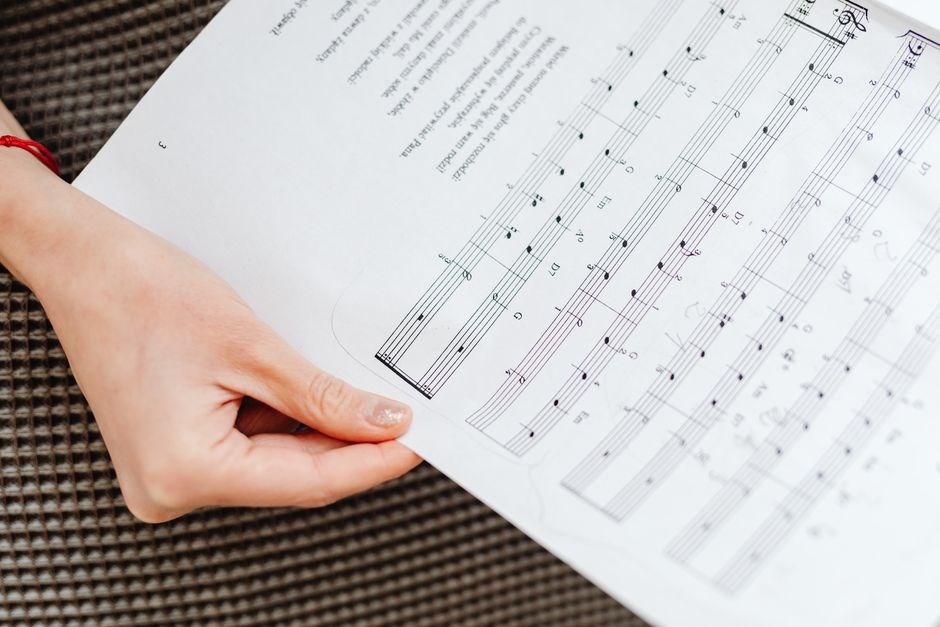
Free PDF sheet music for “Joy to the World” is available in multiple instrumental and vocal arrangements. MuseScore hosts a wide range of user‑created scores, including a piano solo, a guitar accompaniment, a flute transcription, and a full‑chorus setting. Each version is fully notated, with clear key signatures, tempo markings, and dynamic indications. The piano and guitar arrangements often feature simplified chord progressions for beginners, while the flute transcription highlights melodic ornamentation suitable for solo or ensemble use. Chorus arrangements provide SATB voicings, with optional piano or guitar accompaniment, allowing choirs to perform the hymn in a church or community setting. All PDFs can be downloaded directly from the MuseScore website, where users can also view the sheet in a web‑based viewer, print it, or export it to MIDI for practice. Because the hymn is in the public domain, these arrangements are free to use for both educational and performance purposes. Musicians can also contribute their own transcriptions or arrangements back to the community, ensuring that the collection grows and remains up‑to‑date. The PDFs include full notation and chord symbols, making them ideal for rehearsal and performance. Download today and share with fellow musicians, teachers, and students who want a reliable, high‑quality resource for “Joy to the World.” Feel free to adapt these scores, share them with your ensemble, or use them as teaching tools for music students exploring classic hymns.!
Legal and Copyright Considerations
“Joy to the World” is public domain, so free PDFs may be shared and performed without fees. However, modern arrangements may carry copyright; check the author’s license on MuseScore before using. For public shows, confirm the arrangement’s status or obtain permission. All arrangements free to use.
Using Sheet Music in Public Performances
When performing “Joy to the World” publicly, the public‑domain status of the original hymn means no royalty fees are required for the basic melody and harmony. However, many online PDFs are user‑arranged versions that may include new harmonies, instrumental parts, or lyrical changes. These arrangements can be copyrighted by the arranger. Before using a downloaded PDF in a concert, church service, or broadcast, verify the license attached to the file on the platform where it was obtained. Most MuseScore uploads are shared under Creative Commons licenses; some allow commercial use, others restrict it. If the license permits, you can print the score, distribute copies to performers, and perform it on stage. If the license is more restrictive, you must seek explicit permission from the arranger or opt for a different arrangement that is clearly public domain. Additionally, when a choir or ensemble performs the piece, any printed or digital copies given to the audience should reflect the same licensing terms. Some venues require a written statement confirming that the music is in the public domain or that the performer has secured rights for the specific arrangement. In the case of a live broadcast, the same rules apply; the broadcaster must ensure that the arrangement is cleared for public performance. Finally, if you modify an arrangement—adding new harmonies or changing instrumentation—you may create a derivative work that requires its own copyright clearance. Always keep documentation of the source and license for audit purposes.
For educational settings, such as school concerts or church youth groups, many institutions have blanket licenses that cover public‑domain works and some copyrighted arrangements. These licenses often cover performances, recordings, and distribution of printed scores. If your organization holds such a license, you can use the PDF without additional permissions. If not, you can still perform the public‑domain version without cost, but any arrangement that includes new material must be licensed. It is also advisable to consult the local copyright office or a legal advisor if you plan to record the performance for distribution, as recordings can trigger separate rights. By respecting these guidelines, performers can enjoy “Joy to the World” while staying compliant with copyright law.
Remember to cite the source of the PDF when publishing or sharing the score online.

Community Engagement and Sharing
Musicians share free PDFs on MuseScore, remixing arrangements, and discuss performance tips. Users upload new transcriptions, comment, and collaborate, fostering a vibrant community that keeps “Joy to the World” alive for all ages.Share the joy with all
Contributing Arrangements and Feedback
Contributing to the “Joy to the World” community is straightforward. First, create a MuseScore account and navigate to the “Upload” section. When you upload a new arrangement, add a clear title, indicate the original composer, and choose the appropriate license—most public‑domain versions default to CC‑0. Include a short description of any changes, such as added harmonies, new instrumental parts, or simplified rhythms. Once submitted, the community can review, comment, and rate your work. Feedback is often posted directly beneath the score, allowing you to refine the piece before finalizing. If you wish to collaborate, use the “Collaborate” feature to invite other musicians to edit the score in real time. Additionally, you can participate in discussion forums where experienced arrangers share tips on voicing, voicing, and dynamic markings. By actively engaging, you help expand the repertoire and ensure that “Joy to the World” remains accessible to choirs, soloists, and ensembles worldwide. Remember to respect copyright: if you adapt a version that is still under copyright, add a proper attribution and consider using a Creative Commons license that allows non‑commercial sharing. Your contributions not only enrich the library but also inspire others to create and perform this timeless hymn. Feel free to annotate your score with performance notes, tempo markings, and rehearsal instructions, ensuring that every performer can bring the hymn to life confidence and joy…;