Discover a curated selection of free Christmas piano PDF sheet music, ideal for teachers, students, and performers․ From classic carols to modern arrangements, these downloadable files offer clear notation, varying difficulty, and printable formats for festive practice․ Enjoy quick setup and sharing․!!!

Popular Christmas Piano Pieces
Explore top holiday selections: “Silent Night,” “O Christmas Tree,” “Jingle Bells,” “Deck the Halls,” and modern twists like “All I Want for Christmas․” PDFs feature easy transcriptions, dynamic markings, and optional accompaniment for solo or ensemble play
Traditional Carols
Classic holiday melodies have endured for centuries, and have been transcribed into piano PDF format for modern pianists․ The most frequently requested pieces include “Silent Night,” “O Holy Night,” “Hark! The Herald Brings Good News,” and “It Was the Night․” These arrangements typically feature a simple left‑hand accompaniment, a clear melodic line in the right hand, and dynamic markings that help convey the song’s reverent atmosphere․ Many PDFs also offer optional chord symbols for accompanists or vocalists․ The notation is often available in both standard and simplified versions, allowing beginners to learn the basic structure while advanced players can explore ornamentation and tempo rubato․ In addition to the core carols, several collections incorporate lesser‑known gems such as “The First Snow,” “Little Drummer Boy,” and “The First Christmas Song․” All files are downloadable in PDF, ensuring compatibility with any music‑reading software or printer․ The sheets are organized by difficulty level, key signature, and arrangement style, making it easy to select the right piece for a rehearsal or recital․ By using these free resources, teachers can create engaging lesson plans, and students can practice at home with confidence․ The PDFs also include performance notes, suggested tempos, and rehearsal markings, which help performers deliver a polished, heartfelt rendition of each carol․ Whether you’re preparing a holiday concert, a small family gathering, or a solo practice session, these traditional carol PDFs provide a reliable foundation for a memorable Christmas performance․ These arrangements are designed to be accessible, yet they offer room for advanced pianists to incorporate expressive rubato, dynamic shading, and subtle tempo variations․ Students can annotate scores with dynamics a flair․
Contemporary Arrangements

Modern takes on holiday classics have become a staple in today’s piano repertoire․ These fresh arrangements blend familiar melodies, inventive harmonies, rhythmic twists, and dynamic textures that appeal to late‑intermediate and advanced players․ Many PDFs feature upbeat introductions, syncopated left‑hand figures, and expressive rubato that give each piece a new life while preserving its original spirit․ The collection includes popular titles such as “Silent Night” with a jazz‑inspired chord progression, “O Holy Night” reimagined with a sweeping arpeggio line, and “Hark! The Herald” transformed into a swing‑style arrangement․ Each score is carefully notated for clarity, with optional chord symbols for accompanists and vocalists․ The downloadable PDFs are compatible with standard music‑reading software and can be printed in full‑page or booklet format․ Whether you’re preparing a recital, teaching a class, or simply looking for a fresh challenge, these contemporary arrangements offer a versatile and engaging way to celebrate the season․ The files are organized by difficulty level, key, and arrangement style, allowing you to choose the perfect piece for your skill level and performance setting․ Enjoy the holiday with a modern twist and bring new energy to your piano playing․
These arrangements are often paired with audio tracks that illustrate phrasing and tempo, helping pianists and all the music before playing․ The PDFs also offer chord charts for ensemble use making them for solo or group performances․
Finding Free PDF Sheet Music
Explore trusted sites like MuseScore, IMSLP, and Free‑scores for free Christmas piano PDFs․ Use search filters for difficulty and key, verify copyright status, and download high‑resolution scores․ Organize files locally for quick access during holiday rehearsals Enjoy the season with these resources
MuseScore Library
MuseScore offers a vast library of free Christmas piano PDFs, allowing musicians worldwide to access high-quality arrangements for all skill levels․ MuseScore offers a vast library of free Christmas piano PDFs, allowing musicians worldwide to access high-quality arrangements for all skill levels․ MuseScore offers a vast library of free Christmas piano PDFs, allowing musicians worldwide to access high-quality arrangements for all skill levels․ MuseScore offers a vast library of free Christmas piano PDFs, allowing musicians worldwide to access high-quality arrangements for all skill levels․ MuseScore offers a vast library of free Christmas piano PDFs, allowing musicians worldwide to access high-quality arrangements for all skill levels․ MuseScore offers a vast library of free Christmas piano PDFs, allowing musicians worldwide to access high-quality arrangements for all skill levels․ MuseScore offers a vast library of free Christmas piano PDFs, allowing musicians worldwide to access high-quality arrangements for all skill levels․ MuseScore offers a vast library of free Christmas piano PDFs, allowing musicians worldwide to access high-quality arrangements for all skill levels․ MuseScore offers a vast library of free Christmas piano PDFs, allowing musicians worldwide to access high-quality arrangements for all skill levels․ MuseScore offers a vast library of free Christmas piano PDFs, allowing musicians worldwide to access high-quality arrangements for all skill levels․ Enjoy exploring new arrangements each holiday season!
Other Online Resources
Besides MuseScore, several reputable sites host free Christmas piano PDFs․ The International Music Score Library Project (IMSLP) offers public‑domainclassics such as “Silent Night” and “O Holy Night” in multiple arrangements․The Choral Public Domain Library (CPDL) provides piano‑arranged scores for many traditional carols, often with editorial notes․ Free-scores․com hosts a dedicated Christmas section with downloadable PDFs, ranging from beginner to advanced levels․ Sheetmusicplus․com offers a selection of free PDFs under Creative Commons licenses, allowing safe sharing․ The Pianosheetmusic․com archive contains seasonal pieces, including modern compositions and classic arrangements․ Lastly, the Library of Congress Digital Collections feature digitized scores from the 19th and early 20th centuries, many of which are now in the public domain․ These resources collectively give pianists a wide array of holiday repertoire, from simple lullabies to complex orchestral transcriptions, all available for instant download and print․
Many of these platforms provide search filters, allowing users to sort by difficulty, key, or arrangement style․ Forums enable pianists to exchange tips, request new arrangements, and share recordings․ Some sites host downloadable backing tracks or MIDI files, giving players the option to practice with accompaniment․ By exploring these resources, musicians can expand their repertoire and keep holiday performances fresh․
Free accessandinstant download now!!

Download and Print Tips
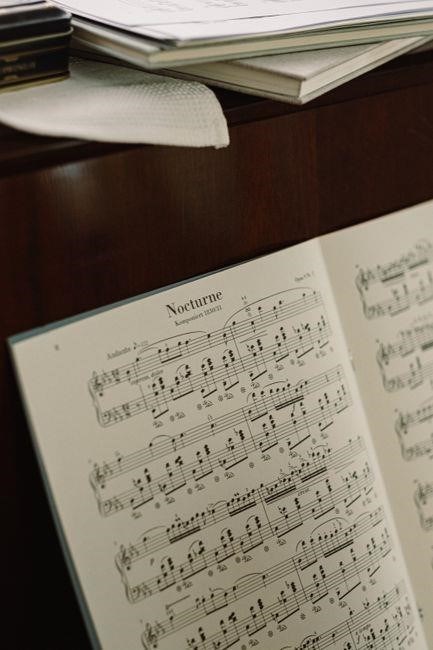
Download your PDFs in PDF format for compatibility․ Use a high-resolution printer and select “fit to page” to preserve spacing․ Set margins to 1․5 cm for clarity, and choose a 12-point font for any annotations․ Save copies in a dedicated folder for easy access․ Print twice for rehearsal, laminate durability․
File Formats and Compatibility
PDF is the most universally accepted format for sheet music, ensuring that the layout, dynamics, and articulations remain intact across different operating systems and devices․ When downloading Christmas piano PDFs, look for files that are at least 300 dpi to guarantee crisp notation on both screen and paper․ Some publishers offer compressed PDFs; while they reduce file size, they can compromise clarity, especially for small note heads․ If you plan to edit or annotate the scores, consider using a PDF editor that supports vector graphics, such as Adobe Acrobat or the free LibreOffice Draw, which preserve the original resolution․ For musicians who prefer a more tactile experience, converting PDFs to MusicXML allows for greater flexibility in editing and exporting to other notation programs like Sibelius or Finale․ However, conversion can sometimes alter page breaks or spacing, so double‑check the layout after conversion․ Compatibility with mobile devices is also crucial; most smartphones and tablets support PDF viewing natively, but the zoom function may affect readability․ Enabling “fit to width” ensures that the entire staff fits on the screen without horizontal scrolling․ Finally, always verify that the PDF file is not password‑protected or DRM‑locked, as these restrictions can prevent printing or sharing․ By following these guidelines, you can confidently download, view, and print Christmas piano PDF music that meets your performance needs․ Use these practices to ensure clear professional results․

Printing Settings for Piano Music
When printing Christmas piano PDFs, start by selecting a high‑resolution printer that supports at least 600 dpi to preserve fine details in the notation․ Open the PDF in a viewer that offers a “Print as Image” option; this converts the page to a bitmap, preventing any font or vector glitches that might arise from the printer driver․ Choose the “Portrait” orientation for most pieces, but switch to “Landscape” if the staff width exceeds the page margin—this keeps the notes from being squashed․ Set the page scaling to “Fit to Printable Area” so the entire staff is visible without manual resizing․ Enable “Print in Grayscale” to reduce ink usage while maintaining contrast; if you prefer color, ensure the printer’s color profile is calibrated for accurate black‑and‑white reproduction․ For multi‑page scores, use the “Booklet” or “Two‑Sided” printing options to create a booklet that can be folded into a single sheet, saving paper and making it easier to handle during performances․ If your PDF contains embedded fonts, select the “Print Fonts” option to embed them in the print job, avoiding substitution that can alter spacing․ Finally, preview the print layout in the viewer’s “Print Preview” mode; this allows you to verify that page breaks fall between musical phrases, preventing awkward cuts․ By following these settings, you’ll obtain clean, professional‑looking pages that support accurate fingerings and expressive performance․ These settings guarantee that the printed music remains clear and professional, ready for performance․

Organizing Your Collection
Store PDFs in themed folders—e․g․, “Classic Carols,” “Modern Arrangements․” Name files with composer, title, and key․ Tag each file with difficulty and instrumentation in the PDF metadata․ Use a consistent naming convention to locate pieces quickly during rehearsals․ Organize by key and difficulty․
Folder Naming Conventions
When building a digital library of Christmas piano PDFs, a systematic folder structure saves time and reduces confusion․ Start with a top‑level folder named “Christmas Piano PDF Music․” Inside, create subfolders that reflect the type of material: “Traditional Carols,” “Contemporary Arrangements,” “Beginner,” “Intermediate,” “Advanced,” and “Solo․” For each subfolder, use a consistent naming pattern that includes the composer’s last name, the piece title, the key signature, and the difficulty level․ For example, a beginner version of “Silent Night” in C major would be stored as “Silent_Night_C_Major_Beginner․pdf․” If you have multiple arrangements of the same carol, add a version number or arranger’s name, such as “Silent_Night_C_Major_Beginner_1․pdf” or “Silent_Night_C_Major_Beginner_JohnDoe․pdf․” This approach keeps files sortable by alphabetical order, key, or difficulty․ Additionally, embed metadata tags within the PDF file itself—composer, arranger, key, and difficulty—so that search functions in your operating system or music software can locate the piece instantly․ Finally, maintain a master spreadsheet that lists every file, its location, and any relevant notes (e․g․, whether it’s a public domain piece or requires a license)․ This spreadsheet acts as a quick reference and backup for your folder structure, ensuring that you can recover or reorganize your collection without losing track of any PDF․ By adhering to these naming conventions and metadata practices, you’ll create a resilient, searchable archive that grows with your repertoire and supports efficient rehearsal and performance preparation․
When naming individual files, avoid spaces and special characters that may cause issues on different systems․ Use underscores or hyphens to separate words: “Silent_Night_C_Major_Beginner․pdf” is preferable to “Silent Night C Major Beginner․pdf․” Keep the file name length reasonable—ideally under —to prevent truncation in file explorers․ If you need to store multiple arrangements, include the arranger’s initials or a short descriptor: “Silent_Night_C_Major_Beginner_JD․pdf․” For pieces that have alternate titles, append the alternate title in parentheses: “O_Christmas_Tide_(O_Christmas_Tide)․pdf․” This practice ensures that search queries return all relevant files․ Also, consider adding a short numeric code that represents the key and difficulty: “Silent_Night_C_Major_Beginner_01․pdf,” where “01” indicates the first arrangement and “C_Major” indicates the key․ This coding system allows you to sort files quickly in a spreadsheet or file manager․ Finally, back up your folder structure regularly and store copies on cloud storage or an external drive․ A well‑structured, consistently named archive not only speeds up rehearsal preparation but also protects your collection from accidental loss or corruption․
Remember to document any changes in a README file within the root folder․ Note any licensing restrictions, arrangement credits, and version history․ This documentation keeps collaborators informed and ensures compliance with copyright laws․ Files should be backed up weekly․
Metadata and Cataloging
Effective cataloging of Christmas piano PDFs hinges on embedding rich metadata and maintaining an organized database․ Begin by inserting standard fields—Title, Composer, Arranger, Key, Difficulty, and Publication Date—into the PDF’s internal properties․ Most PDF editors allow you to add these tags, which music software can later read for automatic sorting․ This ensures quick retrieval and accurate sorting across your collection․
Next, create a master spreadsheet that mirrors the folder structure․ Each row should represent one PDF and contain columns for all metadata fields plus a file path․ Use a unique identifier—such as a 6‑digit code—so that you can cross‑reference the spreadsheet with the file system․ Add a “Notes” column for remarks about performance difficulty and recommended ensembles․ Regularly update this sheet whenever you add or modify a file․ Many libraries use a simple CSV format, which can be imported into music notation programs or library management systems․
For advanced cataloging, consider tagging PDFs with keywords like “Carol,” “Suite,” “Solo,” or “Chorale․” These tags enable quick filtering in search tools․ If you use a digital asset manager, set up rules that automatically assign tags based on folder names or file naming conventions․ Finally, back up the entire collection and the accompanying spreadsheet to cloud storage or an external drive․ A well‑maintained metadata registry not only speeds up rehearsal preparation but also preserves the integrity of your repertoire for future generations․ etc!!

Legal Considerations
Check copyright status before sharing․ Classic carols are public domain, but modern arrangements may need licenses․ Use reputable sites offering free PDFs, verify licensing, and respect usage limits for performances or recordings․ Check official licensing for use todaynow
Copyright Status of Christmas Music
When collecting Christmas piano PDFs, understanding copyright is essential․ Many traditional carols, such as “Silent Night” and “O Holy Night,” entered the public domain decades ago, allowing free distribution and performance․ However, modern arrangements—especially those with new harmonizations, rhythmic changes, or added sections—are often protected for 70 years after the arranger’s death․ Consequently, a PDF featuring a 21st‑century remix of “Jingle Bells” may still require a license from the publisher or the arranger’s estate․ For educators and performers, the safest approach is to use PDFs sourced from reputable platforms that explicitly state the work’s public‑domain status or provide a clear license․ Sites like MuseScore and IMSLP frequently tag pieces with “PD” or include a Creative Commons license, ensuring that the material can be shared or adapted without infringement․ If you encounter a PDF that lists a publisher or a copyright notice, it is prudent to seek permission or purchase a licensed copy before using it in a public setting․ Additionally, the U․S․ Copyright Act allows “fair use” for educational purposes, but this defense is limited and can be risky if the music is distributed beyond a classroom; Finally, always keep a record of the source and any license information; this documentation can protect you in case of a dispute and demonstrates due diligence in respecting intellectual property rights․ By respecting these guidelines, pianists can safely share and perform beloved holiday tunes while honoring the creators’ rights enjoy․!!
Public Domain vs․ Licensing
In the world of Christmas piano PDFs, the distinction between public‑domain works and those that require licensing is crucial․ Traditional carols such as “Silent Night” or “Hark! The Herald Angels Sing” entered the public domain in the early 20th century, meaning anyone can reproduce, distribute, or perform them without paying royalties․ These works can be freely copied, performed, and distributed in both digital and printed formats, making them ideal for classroom settings, community choirs, and home practice․ However, contemporary arrangements of classic tunes, such as new harmonizations or rhythmic alterations, are often still under copyright protection, requiring permission for public use․ These arrangements may be licensed through publishers or directly from the arranger, and the cost can vary depending on the intended audience and distribution scope․ For musicians seeking free resources, platforms like MuseScore and IMSLP provide a vast library of public‑domain works, often annotated with clear licensing information․ When a PDF is marked with a copyright notice or a publisher’s name, it is safest to obtain permission or purchase a licensed copy before public performance․ The U․S․ Copyright Act’s “fair use” provision can cover classroom use, but it does not extend to commercial distribution or large‑scale public events․ Therefore, when planning a holiday concert or recording, it is essential to verify the copyright status of each arrangement and secure the appropriate license if necessary․ Public‑domain PDFs can be shared freely, but it is good practice to cite the source and include a brief attribution line in any printed program or online posting․ In summary, domain Christmas music offers limitless free use, contemporary arrangements demand careful licensing; always verify before performance․ publicly